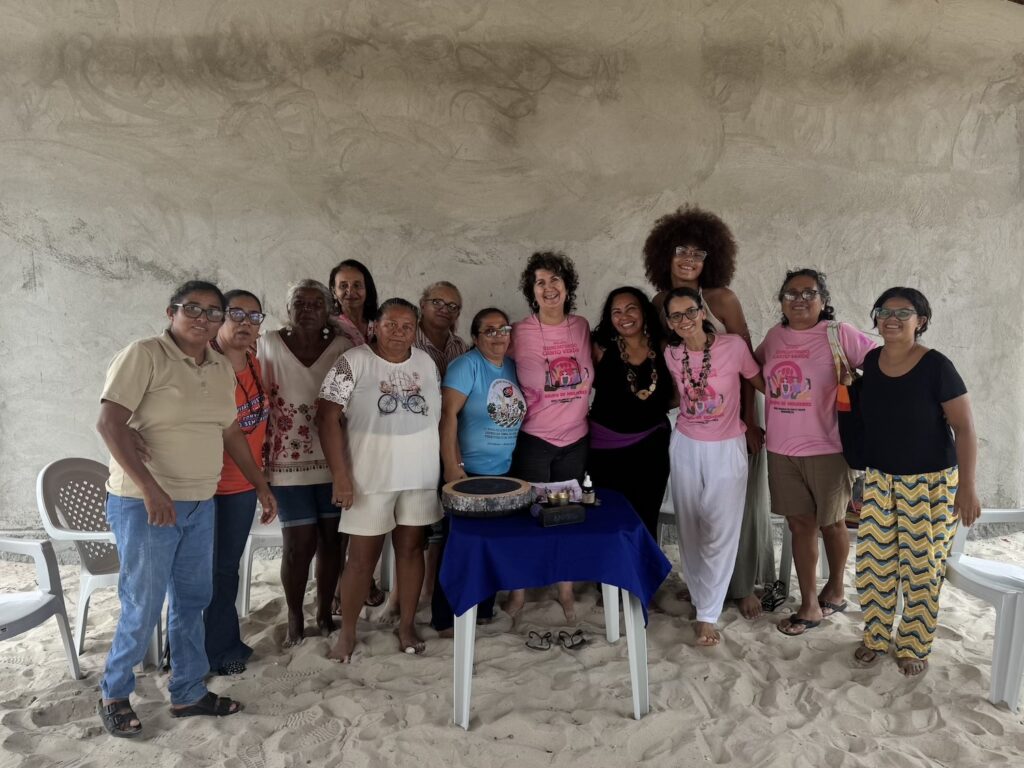
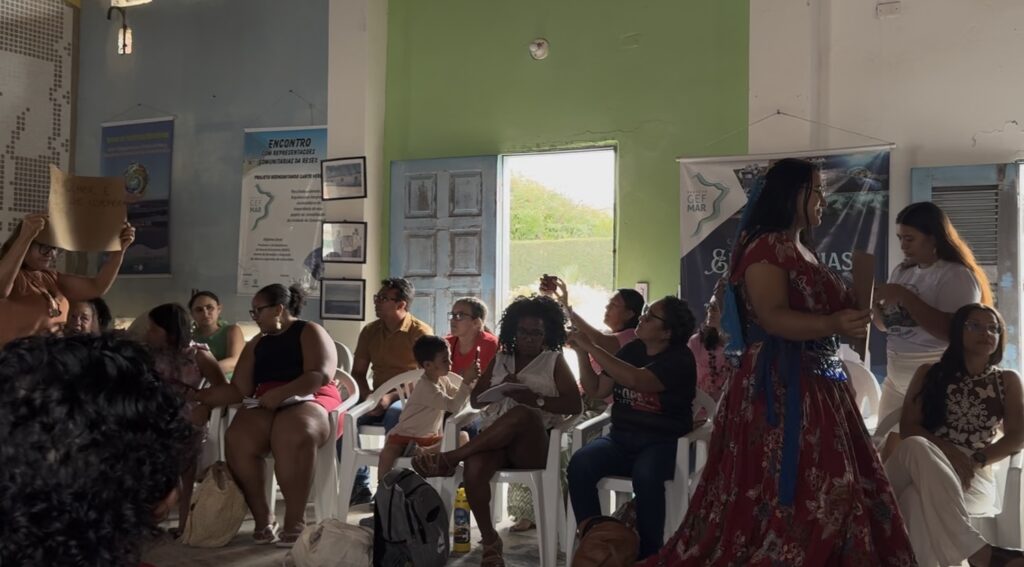
Recently I had the pleasure of being invited to a seminar held in our community centre, which united roughly 80 women from several local municipalities along the coast.
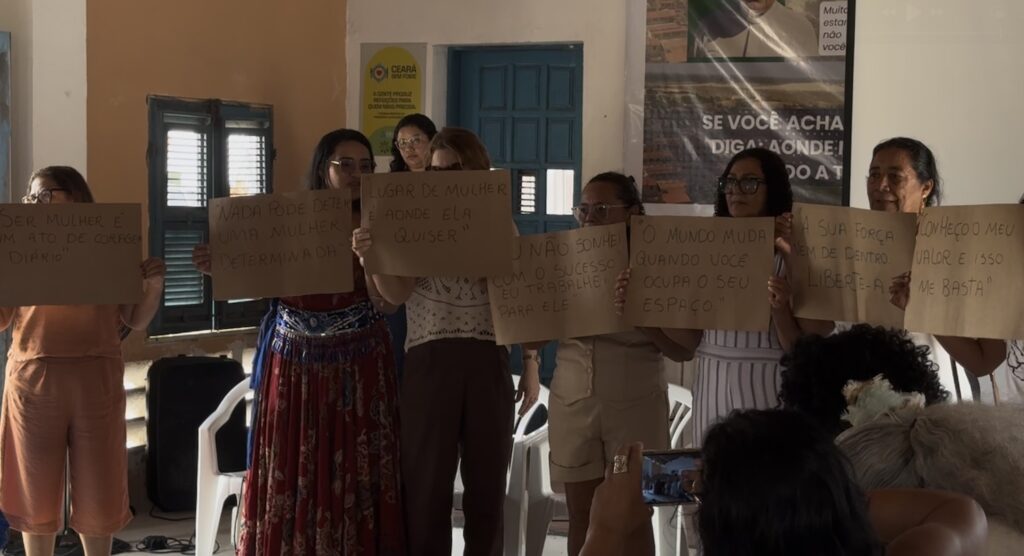
We heard speeches from various women who are involved in their communities in various ways. Many of these voices were inspiring yet, sadly, while the issues they were speaking about were different, they were all involved in a fight for a decent life, for their voices to be heard by those with the power to do something, and then for right action to be taken. Sadly, what many of them experience is being ignored and threatened, and in some cases, the fear of being permanently silenced is very real.
Some of the topics covered were:
Artisanal fishing. Land rights and threats to traditional ways of life. Education. Healthcare. Tourism and the importance of pursuing a model based on community ownership.
Solar and wind farms, data centres and drones being used for applying pesticides.
I can’t write about everything discussed but the following are some of the arguments that stood out to me.
As we are a coastal region, many of the women have some connection to fishing, with their livelihood depending on the practice in some form or other. Fishing is considered one of the most dangerous jobs in the world, and I can testify from personal experience how hard it can be, but while I had the privilege to choose when I went fishing, it is survival for many.
Artisan fishers have long fought for their voices to be heard and to be included in the political decision-making that affects them. The women who feel called to fishing face all the same hardships as the men, but often also have to fight against familial and societal norms, prejudice from the authorities, and some of their fellow fishers, to be included in a profession they love.
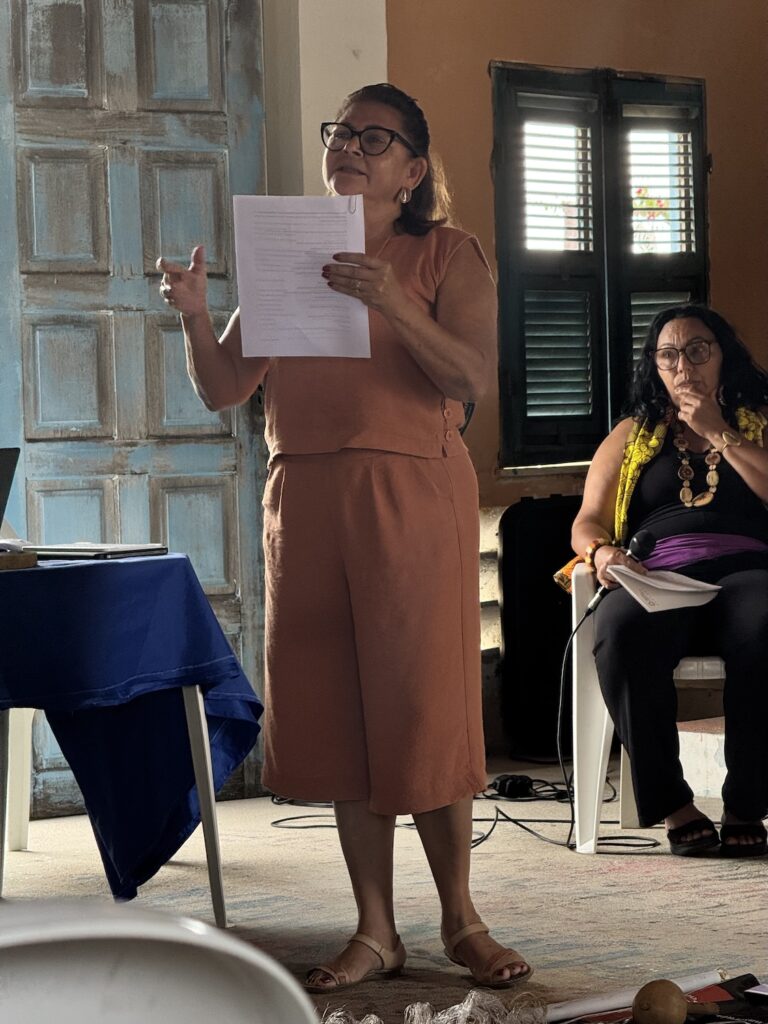
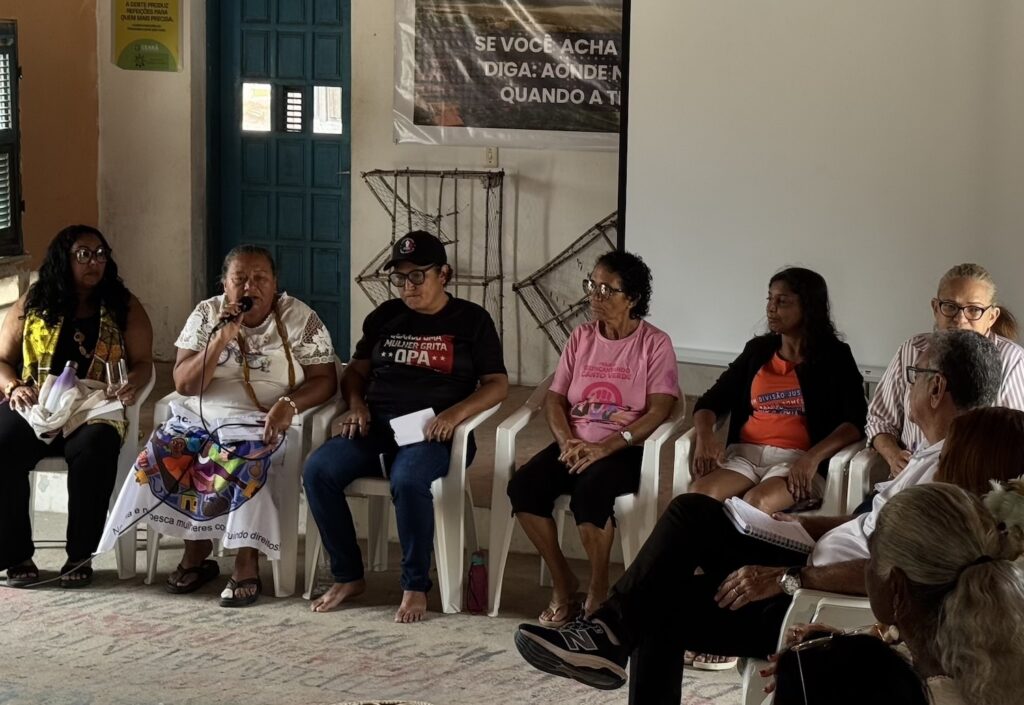
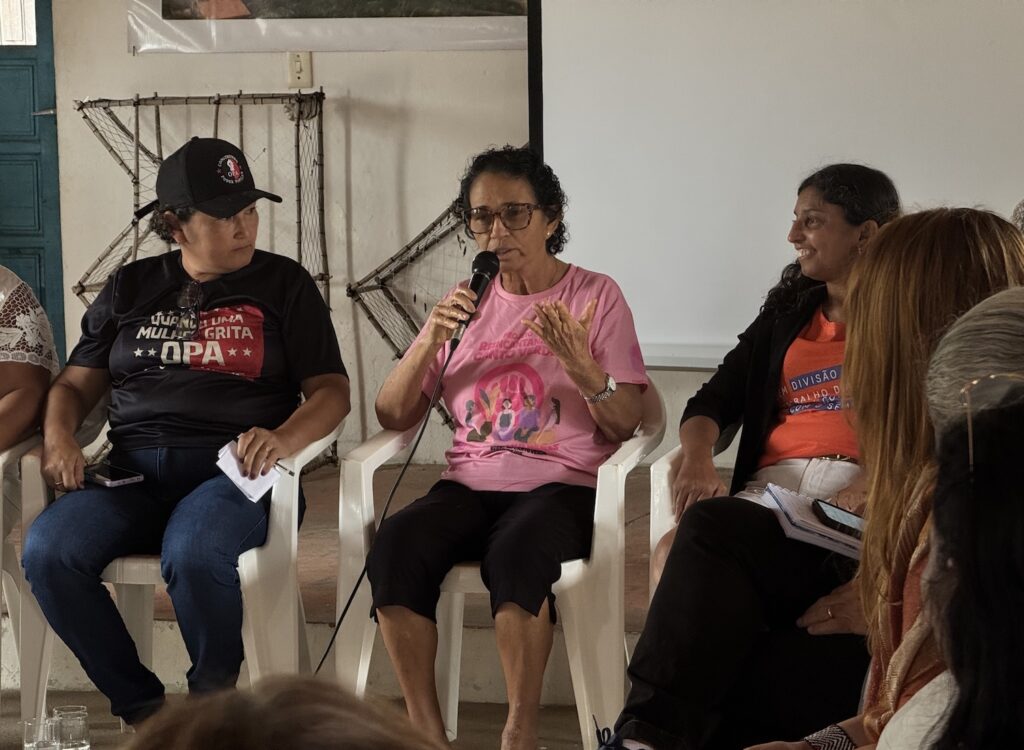
We heard the fears many hold of the negative effects of wind and solar farms, especially the offshore wind farms which are being planned. Many believe these are being processed without proper consultation or the relevant studies being carried out.
One woman spoke passionately about the damage that could be caused by the farms — to the marine environment, to fishing, to tourism on which so many depend — and that the energy generated is for export to Europe (though not all of it) where, by implication, these farms would not be accepted. This plays on the justifiable colonial fears of many, but I have never heard it stated that Europe already has huge offshore wind farms, nor that the arguments for and against are as strong in Europe, for pretty much all the same reasons, as they are here.
One of the often-stated arguments in favour of these massive projects is the employment that would be generated in the areas where the farms would be implemented, but the actual numbers are hotly disputed, as much of the work is specialist and would be carried out by the mostly foreign companies via their own workforce, rather than by the locals.
We heard that in areas where large-scale projects are implemented by an itinerant workforce, there is documented evidence of a corresponding rise in birth rates. Fathers may have moved on to the next job before ever knowing a child exists, leaving children who will never know their fathers to be raised by single mothers.
Apparently, the homicide rate also rises, possibly due to conflicts between protestors and workers.
The argument was not purely against the implementation of these projects. Another woman raised two important points. Like it or not, we need alternative sources of energy, and if not wind and solar, then what? And that these big energy companies also provide financial support to many social and environmental projects, which would struggle to exist without this monetary backing. This is a whole other can of worms, the pros and cons of which I can’t go into here.
We heard from someone from the Municipality of Itaiçaba, which is slightly inland from here. It has a population of roughly 7,000 inhabitants, of whom 80% depend on carnaúba. The carnaúba palm (Copernicia prunifera) is endemic to the Caatinga, a biome exclusive to Brazil and mostly found in the Northeastern states, including Ceará, where the carnaúba palm is the official tree of the state.
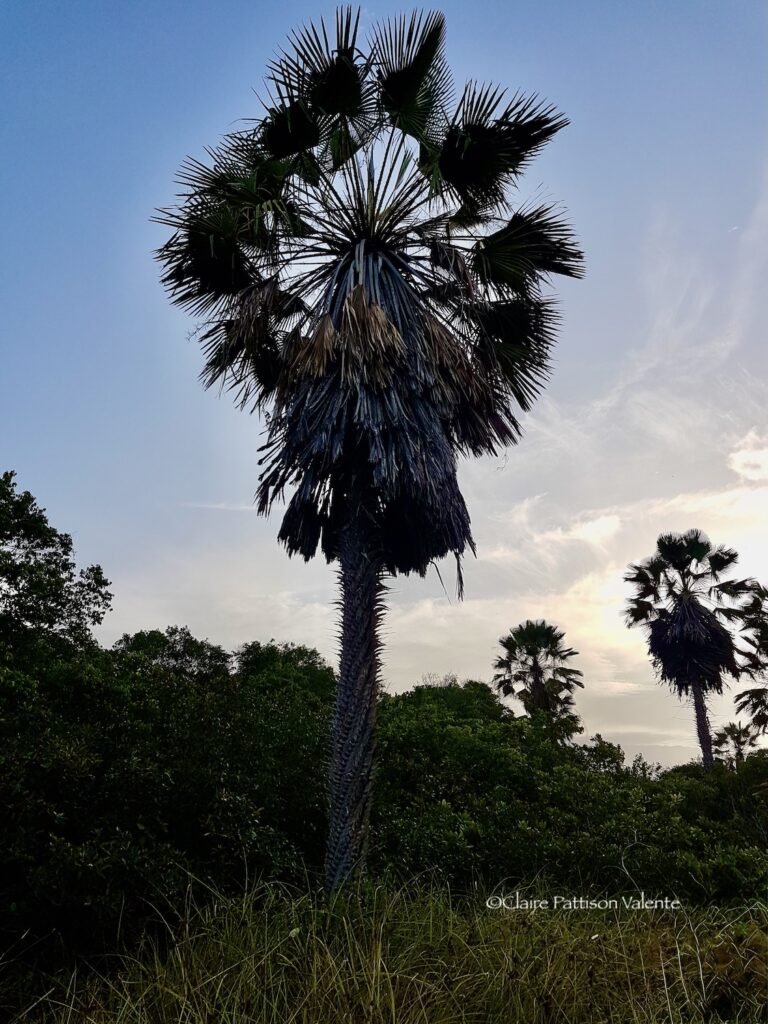
The tree grows along river banks and on flood plains, but can withstand periods of drought. It is hugely important ecologically, supporting a wide range of wildlife and controlling soil erosion. Known locally as the Tree of Life, every part is used.
You may know of it from carnaúba wax, which is produced from its leaves and used worldwide in a huge range of applications including cosmetics, foods (additive E903), automotive care and more. Brazil is the only country that exports the wax, and Ceará is the second-biggest producer at 35% of total production. It also supports a large artisanal workforce who use it to create woven hats, mats, bags, furniture, rope and more.
We heard how the economic activity around the palm is threatened on multiple fronts: By an invasive species of climbing plant (Cryptostegia madagascariensis) which kills adult carnaúba trees and prevents younger ones from becoming established. Farming also threatens, with large areas of carnaúba cleared to make way for cattle and commercial marine prawn farms. These farms also affect the water table, and, together with runoff, raise soil salinity, which in turn increases deforestation (already a problem in Ceará) and pollutes well water, the source of drinking water for many. People can no longer drink their own well water, and no longer have the income from carnaúba to buy water either.
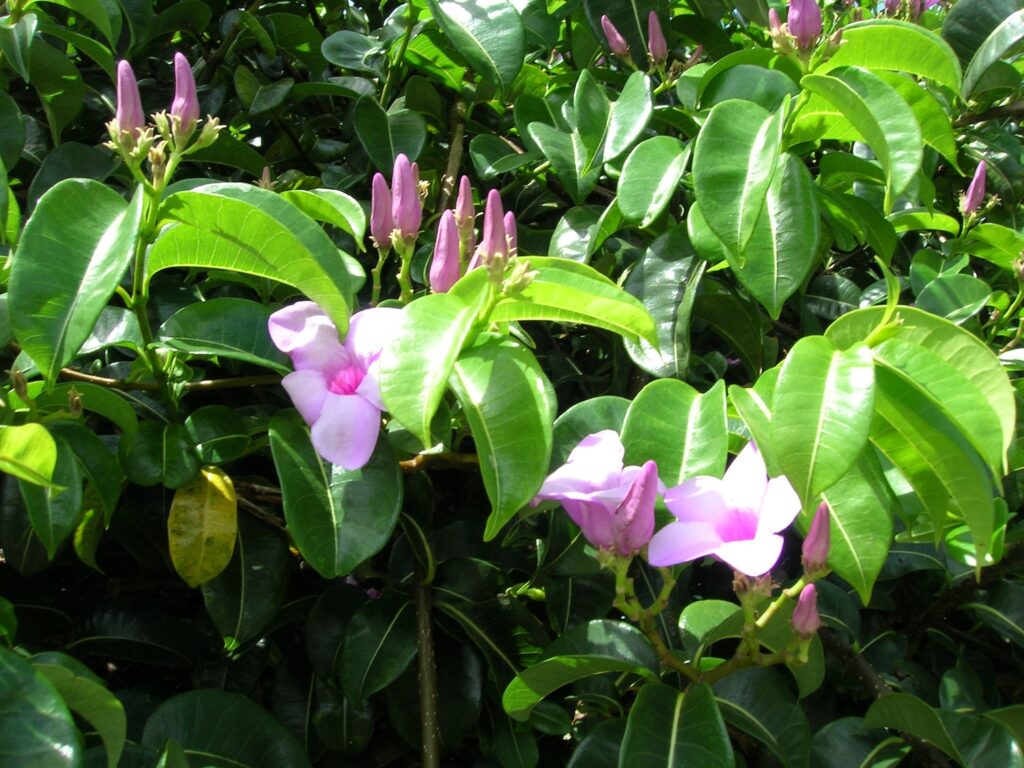
By Forest & Kim Starr, CC BY 3.0, https://commons.wikimedia.org/w/index.php?curid=6177098
It was repeatedly stated on all the topics that there is no opposition to development, but that people must be consulted, their arguments taken into consideration, their needs protected and the development carried out in a controlled manner.
Another area of concern is the massive use of pesticides in farming. A quick search on Google will bring up the most alarming figures: Brazil is one of the largest consumers of pesticides in the world. According to reports citing the United Nations Food and Agriculture Organisation, Brazil uses more than the USA and China put together. Many of the chemicals are classed as extremely hazardous or totally banned in Europe.
It is legal here for chemicals to be applied to crops by drones, and this, coupled with the documented heavy overuse of pesticides, is having a detrimental effect on people who live near where crops are being sprayed, with rising levels of cancer and fears for reproductive health and child development. Public health warnings issued by groups like Abrasco and Fiocruz point out that overall pesticide poisonings in Brazil have climbed significantly alongside the surge of tens of thousands of active agricultural drones.
Organic producers are also threatened by pesticides applied by drones drifting onto their crops and thereby invalidating their organic status.
There was a lot to think about from the morning, and sadly most of it was not good, but I prefer to focus on the positive and I was so impressed by the strength of the women gathered in that space. We have all faced difficult times, but continue to stand up, to debate, to say enough is enough, to demand the right to be heard and for our words to count!
We had reached lunchtime and clearly everyone was hungry. Thankfully, we were offered a wonderful spread, prepared by a group of local women who regularly cook for events hosted in Prainha.
In the afternoon, following a short break after lunch, there were several workshops on offer. Due to time limitations, it wasn’t possible to do more than one, so everyone had to choose which one they would do. As I was holding one, I obviously couldn’t participate in any of the others, which was a shame as they all looked so good. The choice was Bio-dance, massage with foot bath, another which I didn’t get the name of and mine, which was sound therapy.
The women who opted to join my workshop all seemed to enjoy their experience. There was lots of laughter, which is always a good thing, and it was an honour to work with them.
I really enjoyed the day and was very grateful to have been asked to participate.