
This piece was written in 2012.
Since Neu started attending the Pronefron clinic for peritoneal dialysis, we have been asked by numerous professionals how we discovered that Neu had kidney failure and what his symptoms had been. The truth is that Neu didn’t really have any specific symptoms and that’s the trouble with kidney disease, symptoms often don’t appear until the person is in the advanced stage of the disease. This lack of symptoms has led chronic kidney disease (CKD) to be known as the silent killer and the numbers of people who die from kidney failure worldwide every year are truly staggering.
Kidney disease is a silent epidemic
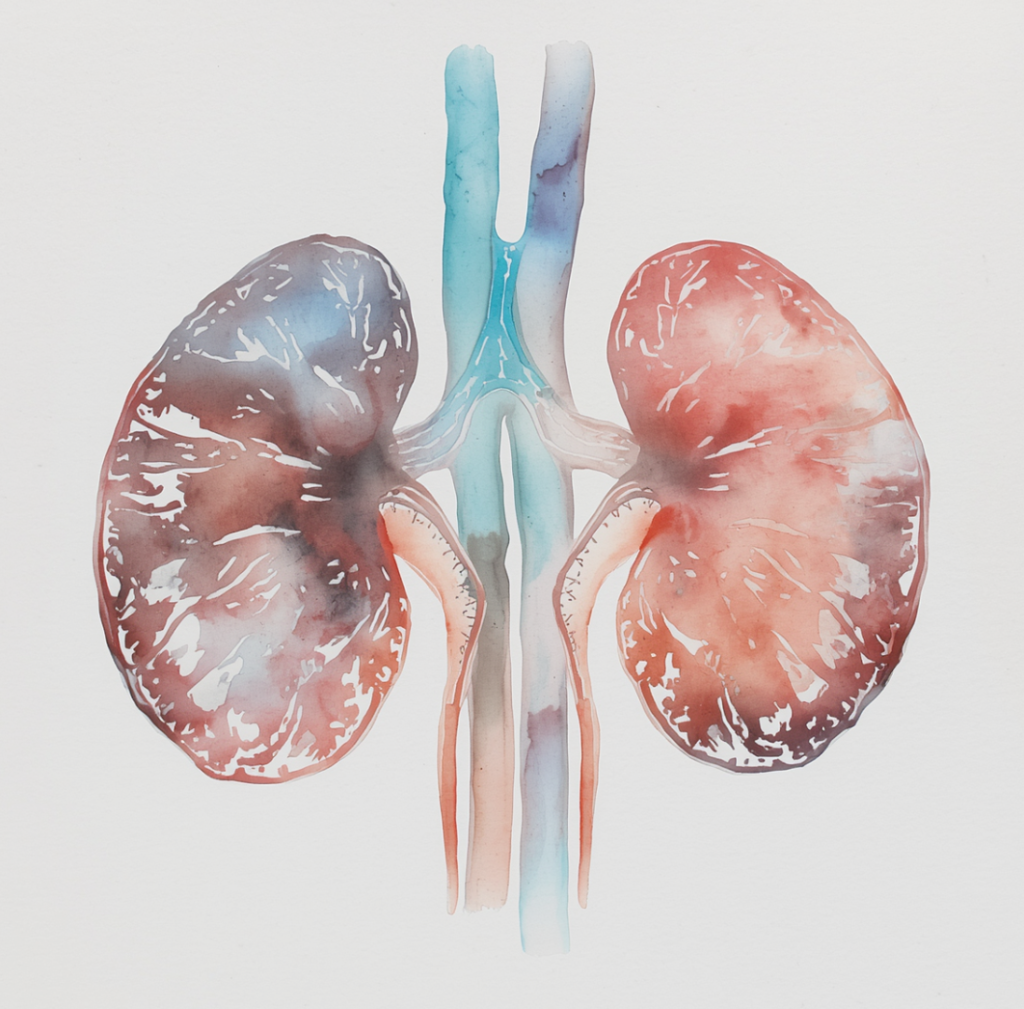
A report issued by NHS Kidney Care states that 1.8 million people in England have chronic kidney failure while a further 1 million are thought to remain undetected, these figures amount to 45,000 premature deaths in England every year. The NHS spends more than £1.4bn annually on treatments such as dialysis and transplantation (figures correct at time of writing 2012).
Charles Kernahan, Chief Executive of Kidney Research UK, says “This report should be a wake-up call for the whole of the UK. Kidney disease is a silent epidemic but, sadly, there is a lack of public awareness around the condition and insufficient appetite for early identification to help early stage disease management. This has resulted in a fifth of all kidney patients only becoming aware of their condition when it’s too late, leaving them to face life-extending treatments like dialysis or a transplant.”
It is estimated that millions of people in Brazil suffer from CKD, and one in ten people worldwide.
When we met ten years ago, Neu was an extremely calm person, nothing seemed to rile him, he was patient and loving with me and the children and fun to be with. As I didn’t speak Portuguese and he didn’t speak English, we became very good at reading each other’s body language and moods, perhaps it was because of this that I recognised the changes in personality which Neu demonstrated over the next few years as being a sign of illness, it was either that or he’d had enough of being married to me. It would have been hard for other people to notice the changes in Neu, they were slight and manifested as a lack of interest in things, an increase in irritability, general moodiness and a change in his body smell. He always made an effort to be his old self when people came to visit but he didn’t feel he had to make that effort for me, so I would see the worst of him.
Thankfully Neu’s worst is some other peoples best, to be grumpy, withdrawn and to want to be alone, so while it wasn’t the kind of marriage I wanted, it wasn’t that hard to deal with either, I could just ignore him and let him get on with it but I was sure there was an underlying problem, it was just finding out what that was.
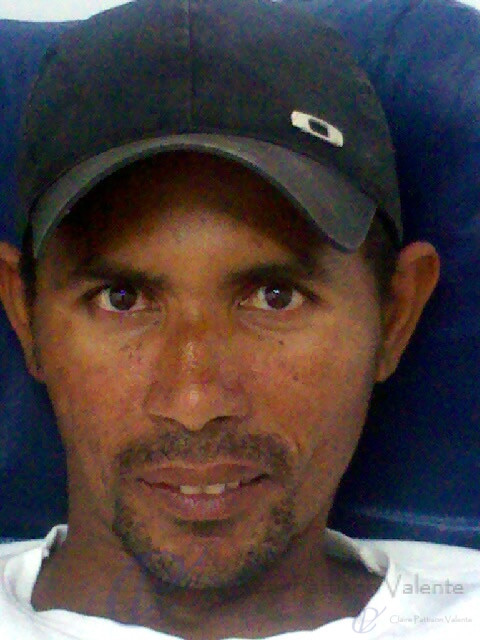
Although I didn’t know it at the time, kidney disease can cause some people to become difficult, depressed and in some cases aggressive but in many cases as I’ve said the symptoms can be slight and are easily missed or dismissed.
The most obvious symptom Neu had was sudden violent migraine like headaches that would leave him sick with pain, these often came on after a long sea voyage and I assumed them caused by dehydration. The fishermen here take drinking water with them but are often at sea for several days at a time and dislike drinking water when it becomes warm. It is a common belief that their food at sea should be heavily salted to encourage them to drink; dehydration is common and salt is a poison to someone with kidney failure.
A study of South American sugar cane workers, amongst whom kidney disease has reached epidemic proportions, seems to indicate that prolonged dehydration is linked to kidney failure. Contact with toxic chemicals used in the cultivation of sugar cane could also be to blame, though the various companies involved in sugar cane production strenuously deny this. El Salvador, a major sugar cane producer, tops the world rankings for deaths from kidney failure, where CKD accounts for more deaths than diabetes and road traffic accident deaths combined and is the third biggest cause of death in the country.
For his headaches Neu would take strong pain killers, which at that time were sold without prescription in several of the village shops and bars, as was a host of other medication that should only be taken under doctor’s orders. The tablets Neu took over a period of several years were powerful anti-inflammatories and quite possibly exacerbated his kidney failure. Unfortunately in places where medical services are limited and the laws covering the sale of prescription drugs poorly enforced, this kind of self-medicating is a common practice which can and does have disastrous consequences.
Neu’s headaches were caused by high blood pressure, which he had no idea he suffered from but was in fact way above the normal 120/80, much to the alarm of the doctor who checked it – Neu’s pressure was 200/150. Neu’s heart was dangerously swollen from the increased blood pressure but, ironically, this led him to feel incredibly fit and strong, what he didn’t know was that his heart had grown so big, it was close to being incapable of supporting its own structure, untreated it would have eventually collapsed, killing him. Kidney disease induced heart failure is one of the main causes of death in undiagnosed sufferers.
In Neu’s case dialysis treatment has brought about a complete turnaround, both clinically and in personality, it feels like I have been living with an imposter for the last four or five years and the man I fell in love with is finally back and very nice it is to see him too. Neu is getting stronger every day and is now desperate to get back fishing, can’t keep a fisherman off the sea.
Simple routine blood and urine tests are used to assess kidney function and if carried out early enough, then for some people simple changes in diet and lifestyle would slow the disease before more intrusive treatments became necessary.
Signs of kidney disease often develop gradually.
The following are some of the symptoms which can be seen together, separately or not at all:
Swelling of the face, hands or feet.
Shortness of breath.
Insomnia.
Lack of appetite, nausea and vomiting.
High blood pressure.
Feeling cold and tired.
General weakness.
Itchy skin.
Lack of concentration and mental confusion.
If you have found this useful or know someone else who might, please share.
2026 Update
Since the the time of writing Neu’s condition has declined, Owing to the situation with his abdomen he had to switch to haemodialysis and is no longer able to fish, but he’s still fighting.
Following complications possibly caused by peritoneal dialysis, we spent 3 months in hospital from late 2015 to early 2016. Neu underwent a 7 hour surgery to remove adherences and abscesses, a section of his intestines also had to be removed along with his entire peritoneal wall. There followed several more abdominal surgeries as surgeons fought to stem internal bleeding and keep his abdomen together. He was extremely sick, spent time in intensive care, was intubated, had multiple blood transfusions and had to be fed intravenously, it is a miracle that he survived.
Ironically Neu was called for a transplant two days after being admitted to hospital, it broke my heart as I knew he wouldn’t be able to receive it and, once the transplant team heard he was in hospital, he was removed from the list. I didn’t tell him they had called.
As Neu’s peritoneal wall had to be removed, a mesh screen was inserted to hold him together. Sadly his body rejected the screen and began to expel it through small wounds in his skin, which then grew. Throughout 2016 Neu was seen as an out patient by surgeons, who tried to remove as much of the screen as they could, by pulling it out through the holes and cutting it off. The specialist wound team tried unsuccessfully to heal his wounds. It is a two hour journey each way to the hospital.
When Neu was discharged from hospital we went to see the transplant team. It was decided that he could try for a transplant again but only when his abdomen healed. It was decided to readmit Neu for surgery to remove the screen completely, he was prepped for the surgery but woke up having had nothing done. The surgeons had examined his CT scans and decided he couldn’t be opened up again, everything is stuck together inside him, intestines to skin, to mesh and mesh to skin. The surgeons said they couldn’t know what they would be cutting into, his life would be at risk and this meant he could never have further abdominal surgery.
After a couple of years it was decided to investigate if he could have a transplant even though the wounds were still open. Neu underwent all sorts of exams and tests but finally it was decided it was too risky to try. Every time he was admitted to hospital we’d go through the same process, with doctors suggesting a transplant, telling us they thought they could solve the problem of his abdomen and not listening to anything we said. In the beginning we would grab at the chance, going back and forth to the hospital for Neu to do all the tests and exams, but at the end of it all we’d be told – once again – that he’s not able to have surgery.
Today in March 2026, Neu is back in Hospital where he has been for over a month. Over the years he has been in and out of hospital more times than I can count, and been on the verge of death more times than I care to remember. We have developed a dark humour which helps keep us going and have taken to calling him the Terminator because, just like the film – he comes back-. All jokes aside it’s an emotional rollercoaster that I wouldn’t wish on anyone, fingers crossed he comes home again.
If you are interested in reading the whole complicated story it is on my old blog and can be found here