Tags
Artisans, arts and crafts, Brazilan culture and traditions, Culture, Eco dyeing, Eco print, Events in Fortaleza, Fashion, Laberinto, Povos do Mar, Rendeira, SESC, Sustainable, Traditional
Last year I wrote about going to the event Povos do Mar / Peoples of the Sea, hosted by SESC and held at their *Ecological hotel, Iparana, Fortaleza. This year I was lucky enough to be able to go again.
Paulo Leitão and Talitta Albuquerque from SESC, had once again done a fantastic job of bringing together community leaders, activists, elders, artists, musicians and artisans from all along the coast of Ceará. Organising the five-day programme of participant workshops, talks and shows was a huge logistical achievement in itself, to say nothing of the transport, food and accommodation for this small army of people. I think it fair to say that a staggering amount of work went on behind the scenes.
I’d like to say the event was bigger and better than last year but, while it was still great in terms of the people who were presenting, teaching or exhibiting there, sadly the stage, stands and other areas were still under construction when we arrived, which made setting up difficult and work continued here and there throughout the whole five days. Visitor numbers were also down on last year. I don’t think the publicity was great but a series of arson attacks on public busses in the city, one quite close to the location, was probably the main reason people stayed away.
The contribution that this event makes to the promotion of the cultural inheritance of the peoples of Ceará should not be under estimated. The exchange of knowledge and skills is truly fantastic and the event plays an important role in keeping those skills and traditions alive, really well done to Paulo, Talitta, their team, SESC and all the staff who work there.
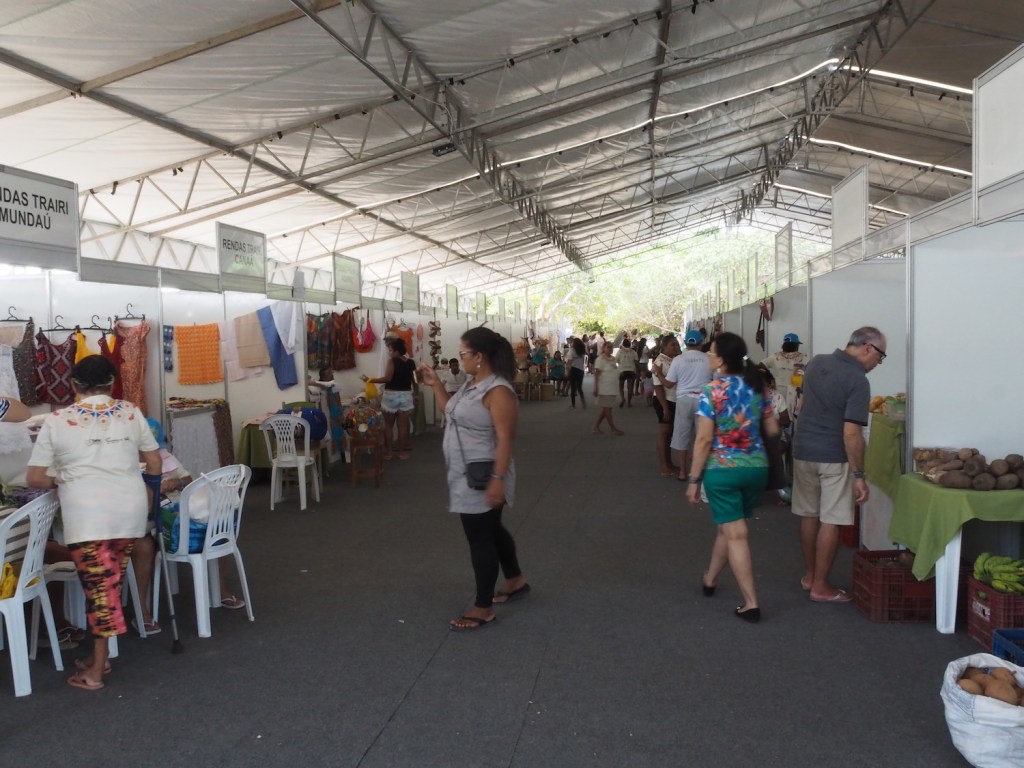
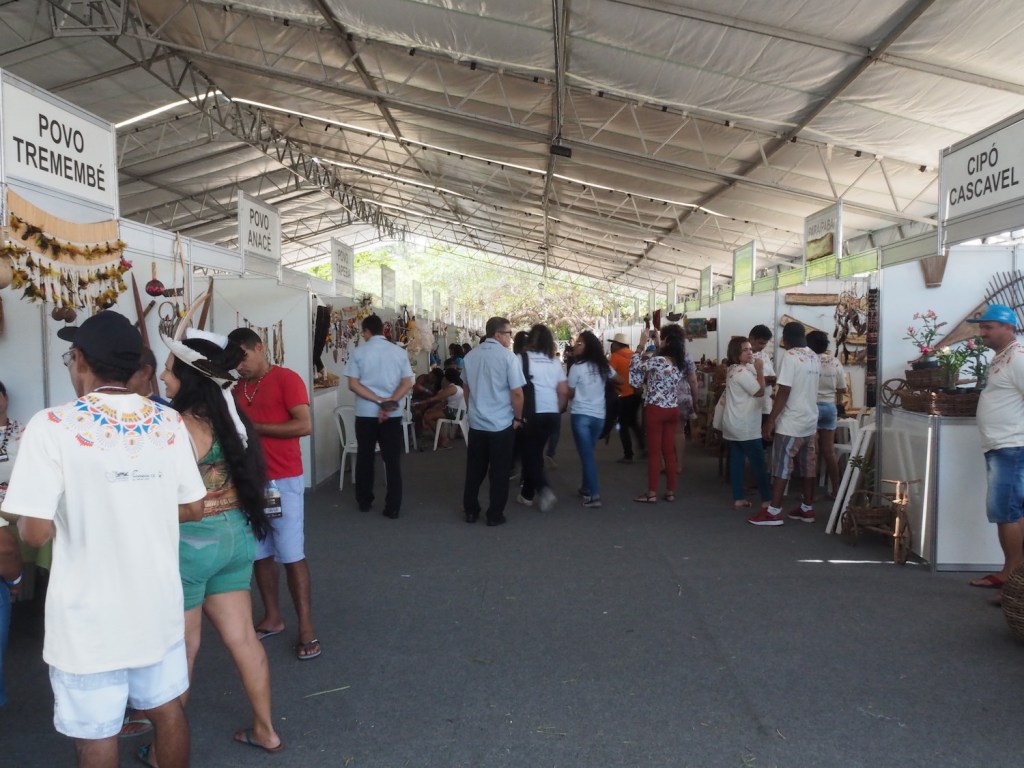
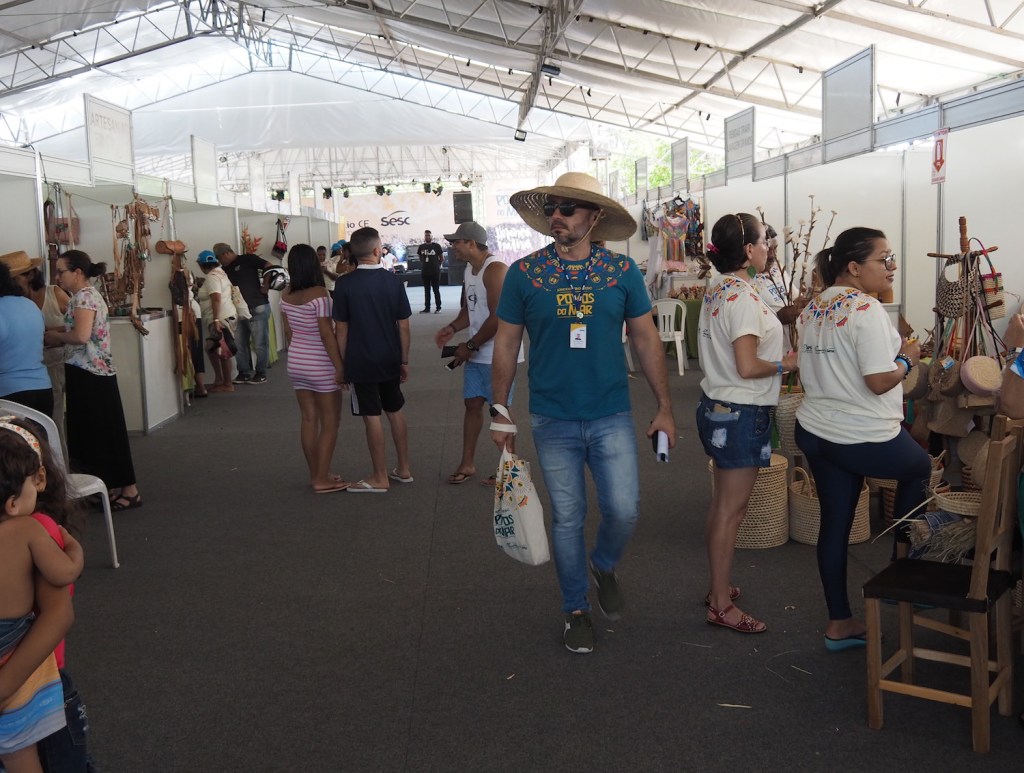
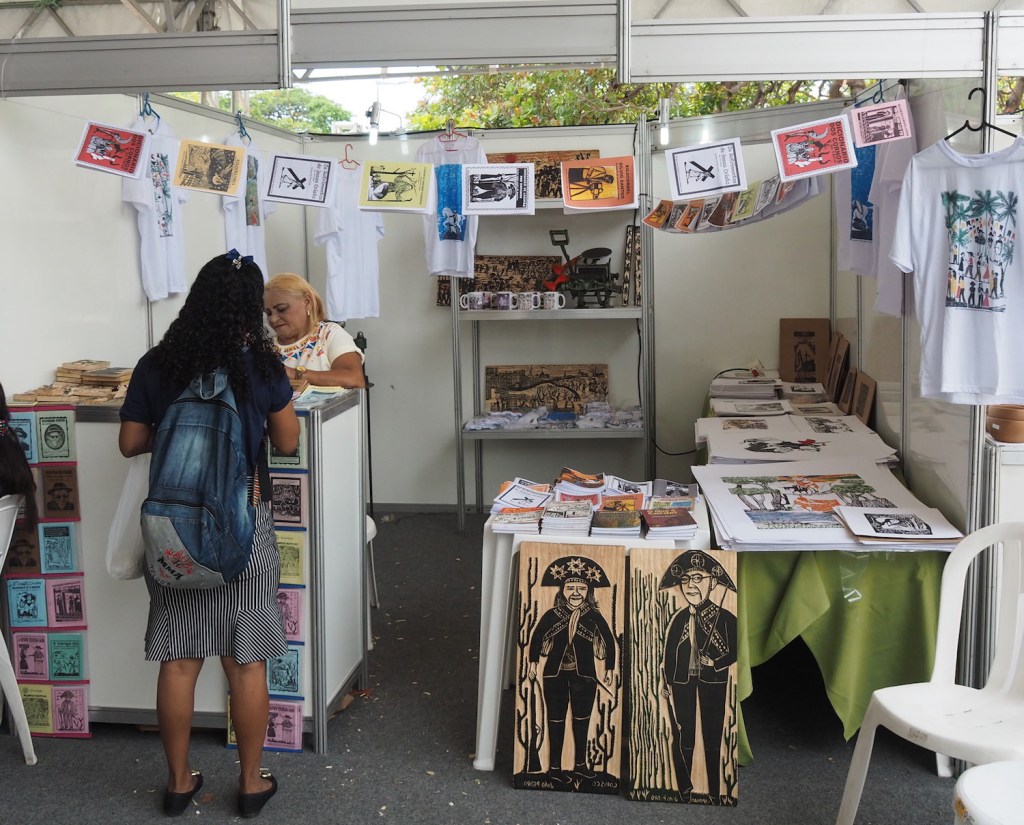
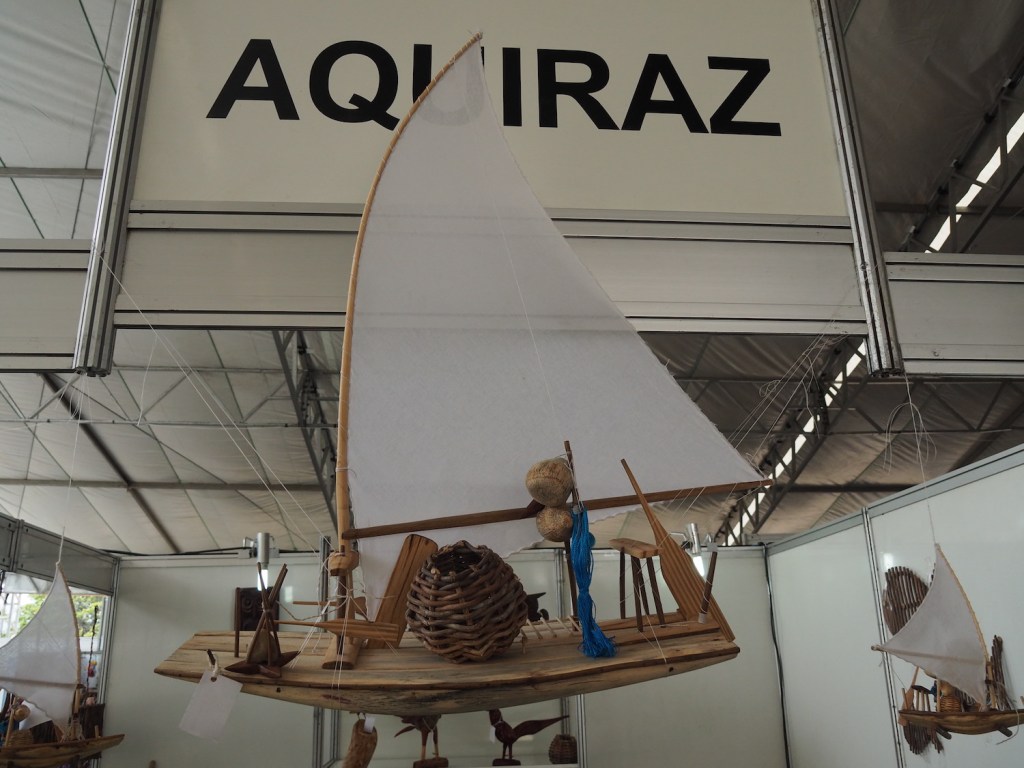
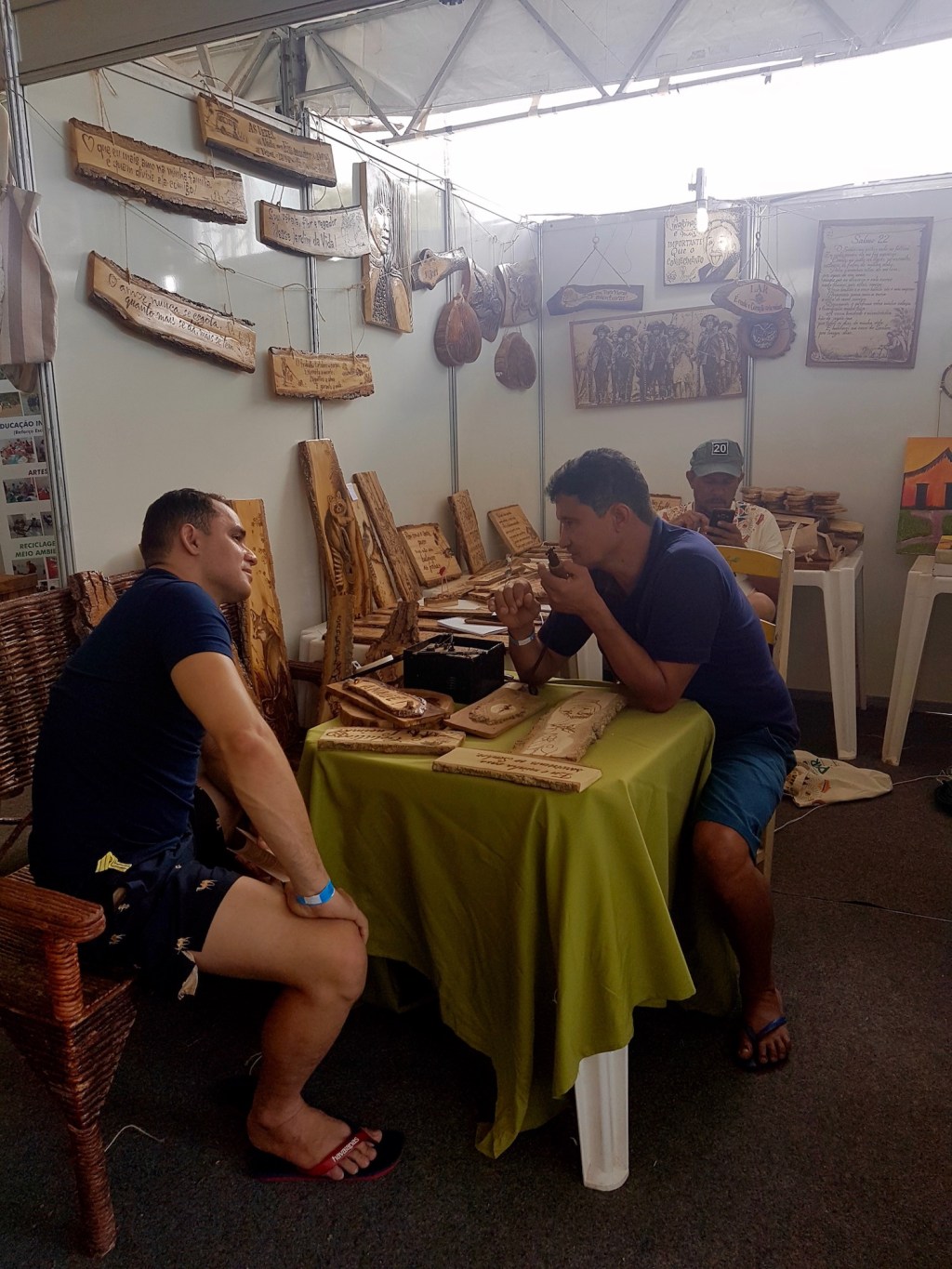
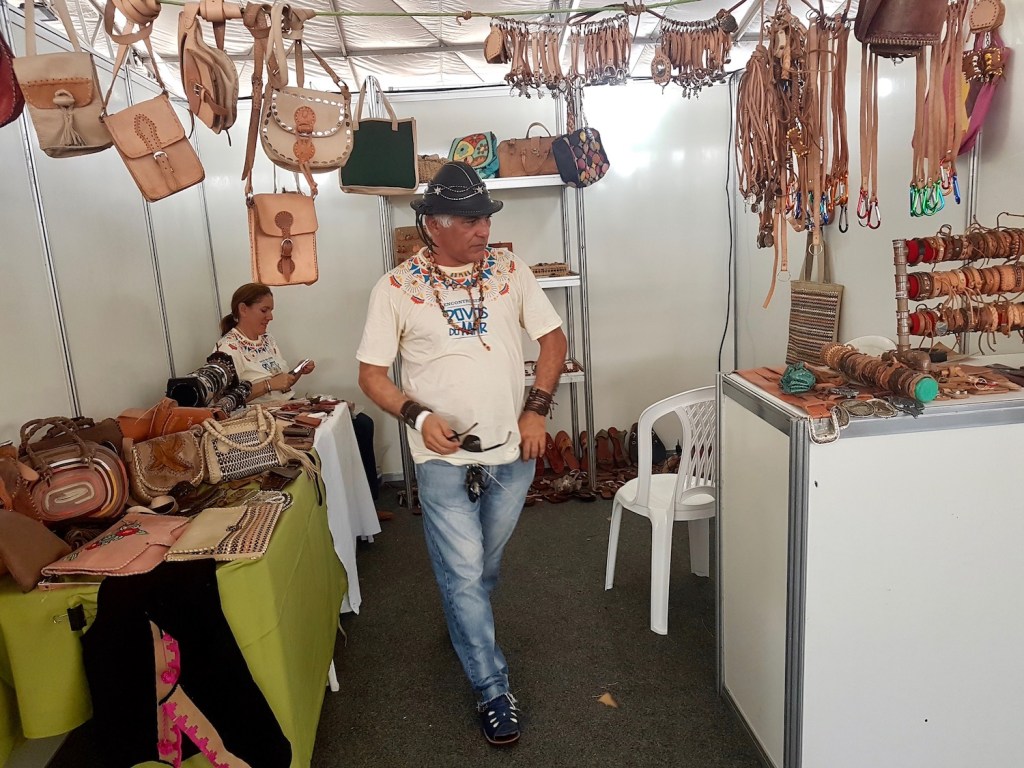
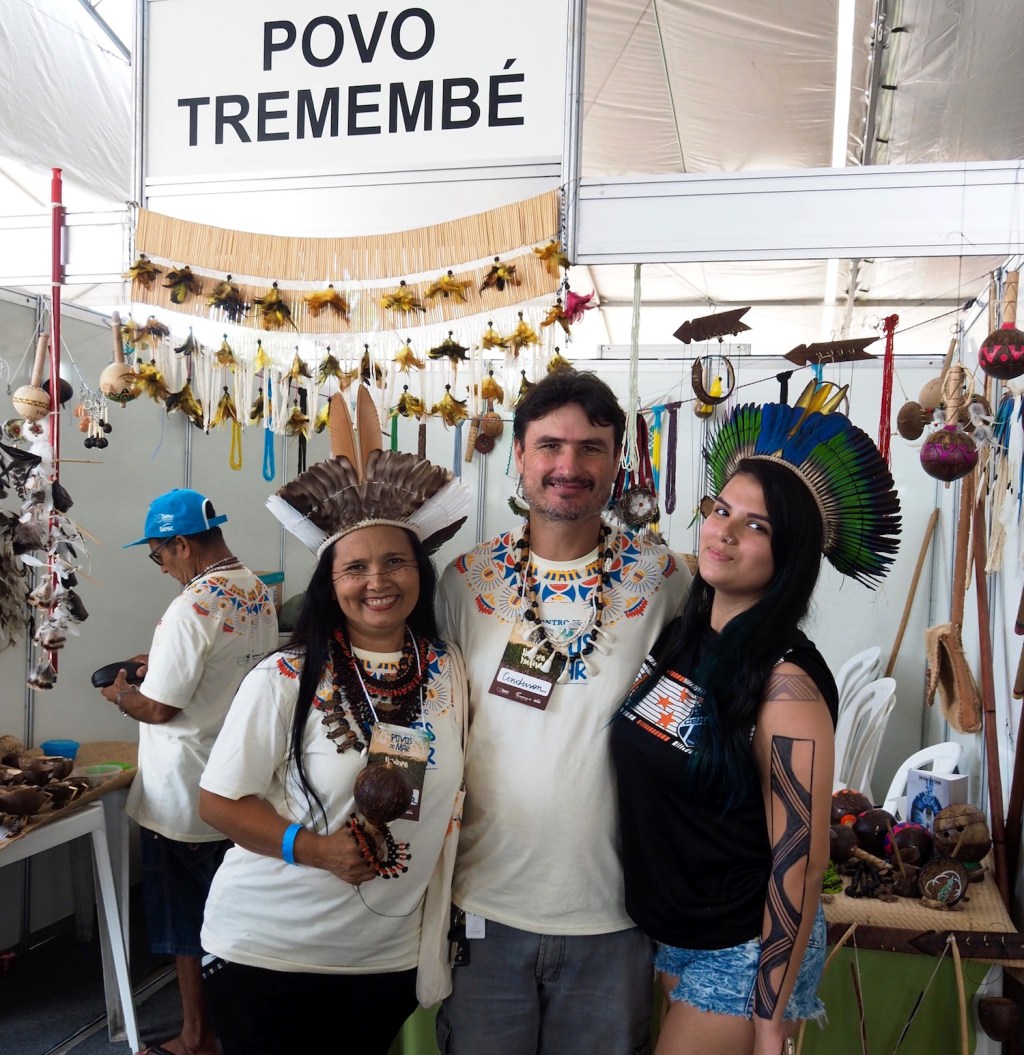
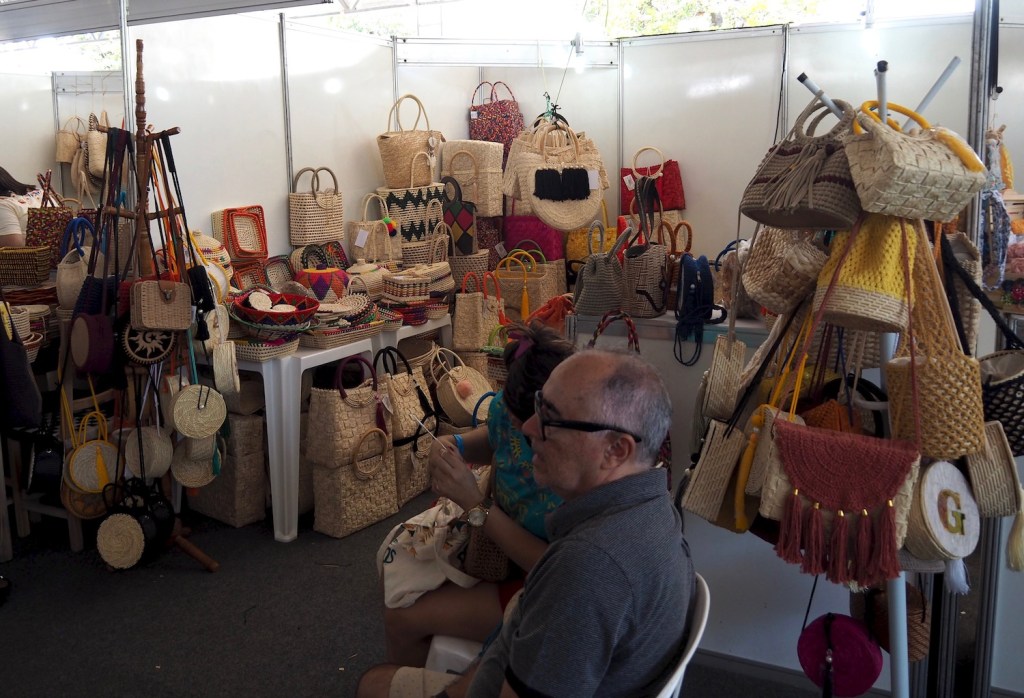
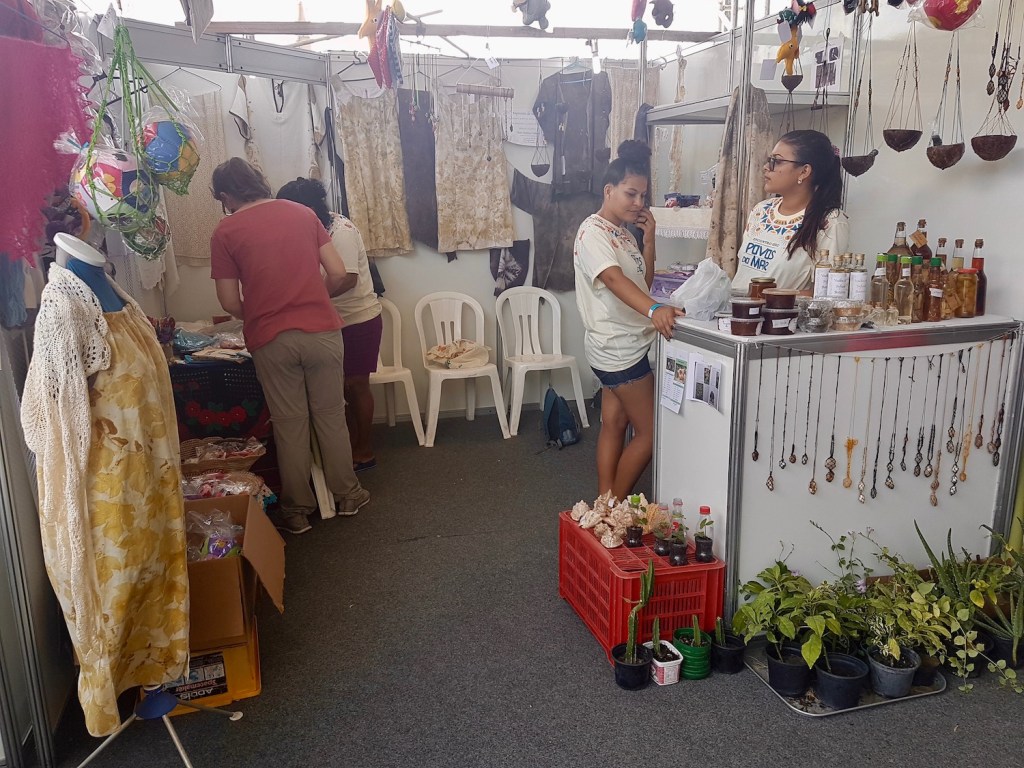
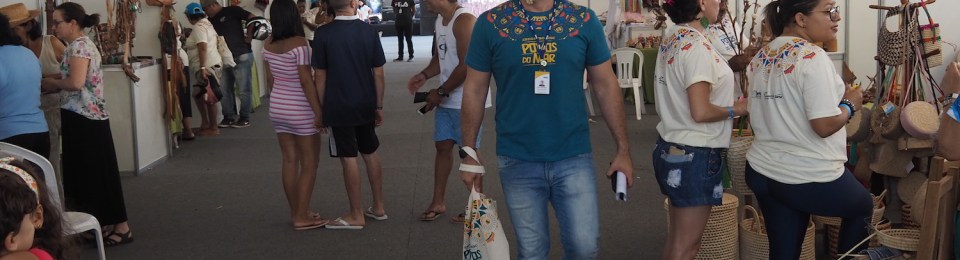
One of the other important aspects of this event is that people are showing not only their finished work, but are giving public demonstrations of the processes involved in creating their work. Members of the general public can witness the effort, time and skill that goes into the crafts. Speaking to exhibitors, I heard over and over that in general their work is undervalued and this event really does raise their profile.
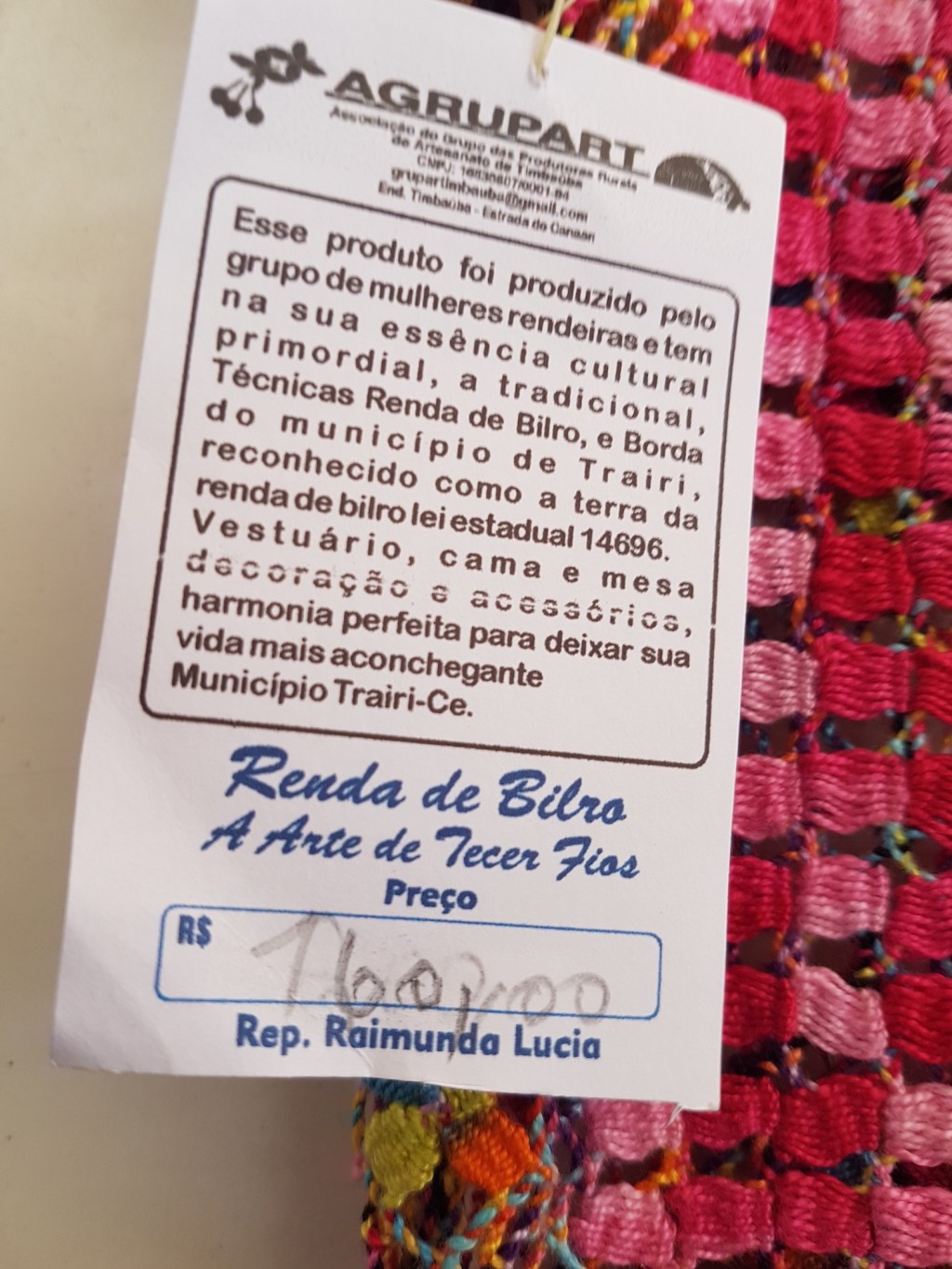
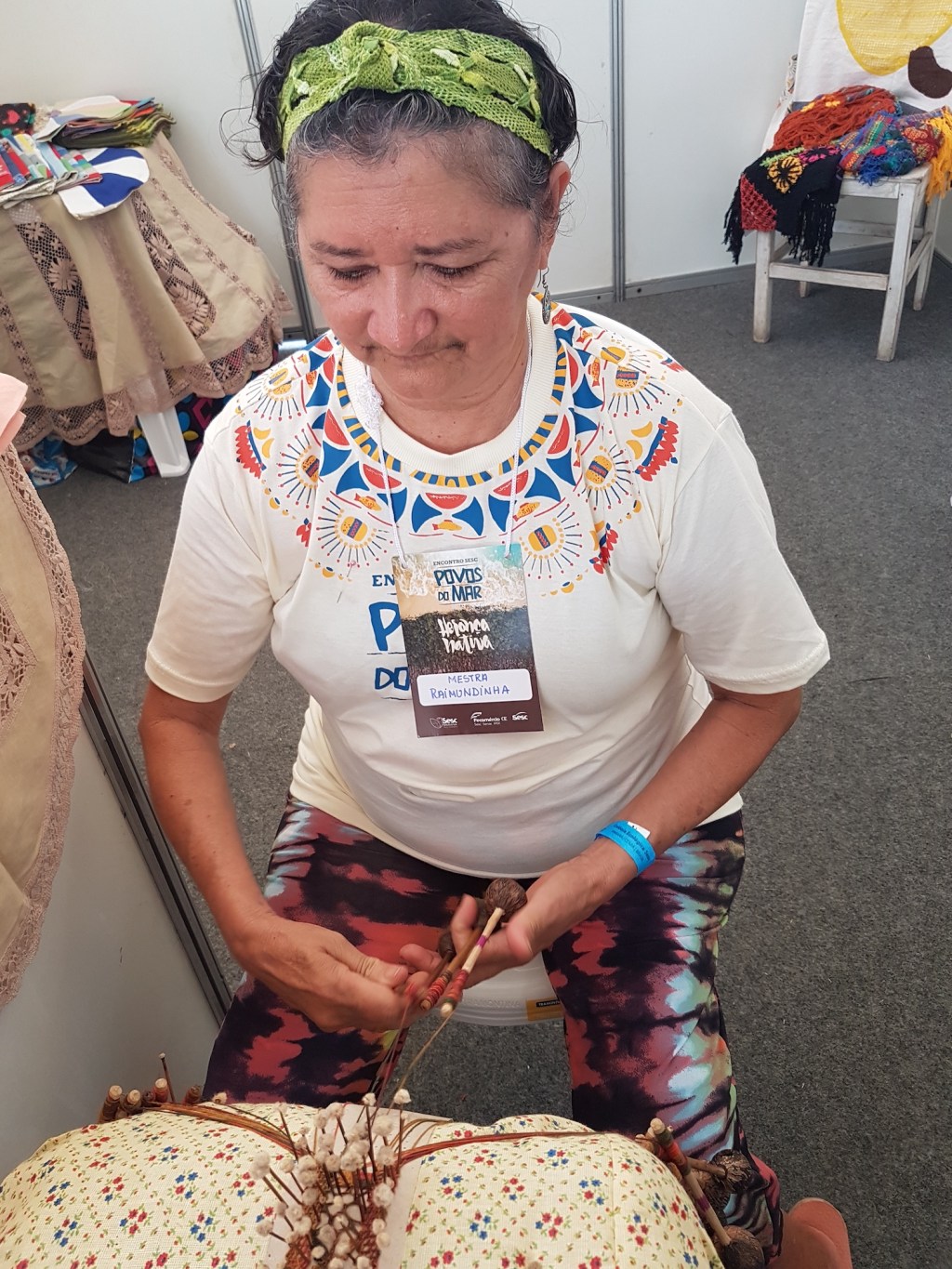
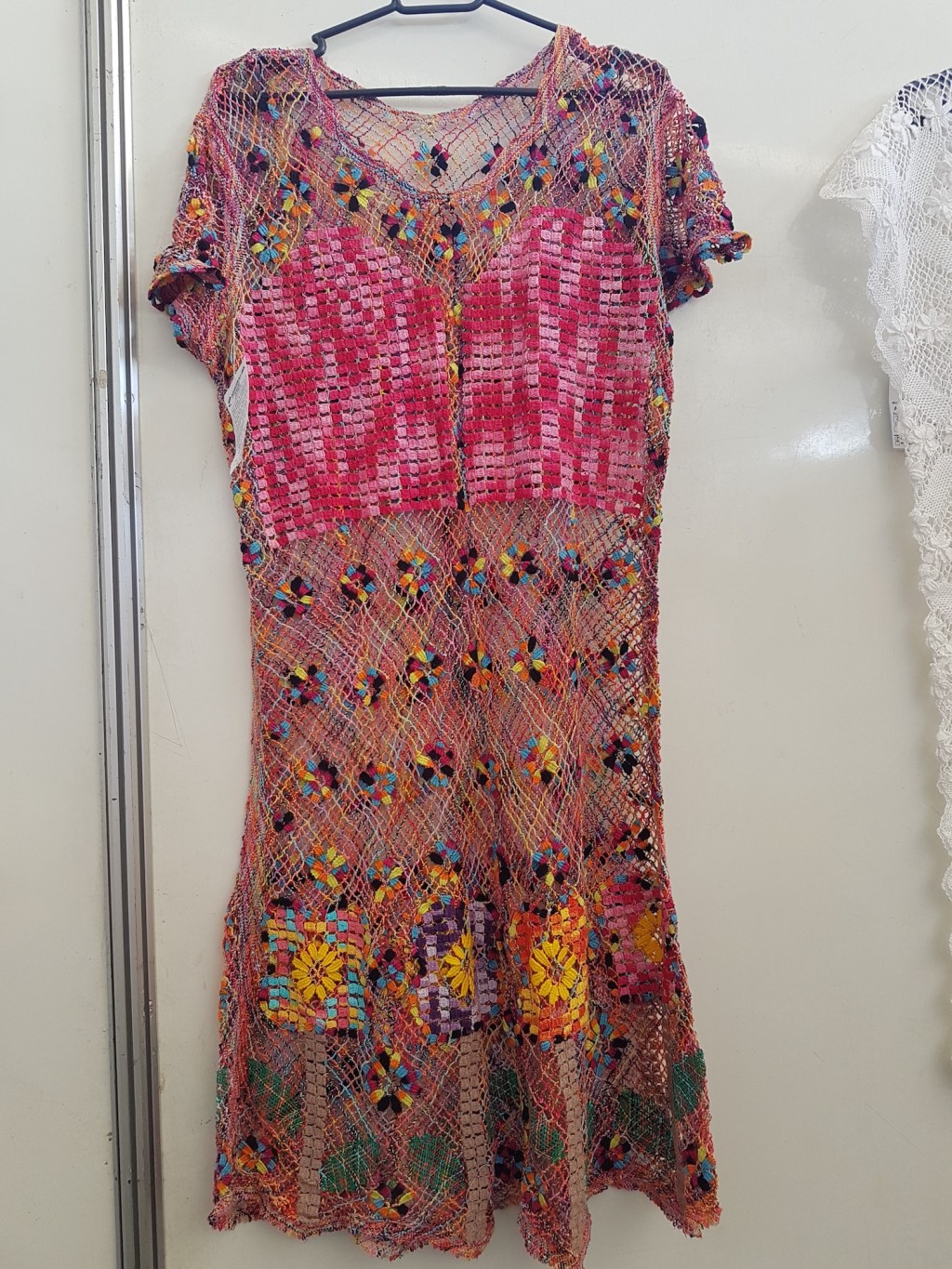
Raimundinha is a Mestra Rendeira (Master lace maker), said she has lost count of the times she has been told that dresses etc made by the women of the cooperative are too expensive. Yet a dress takes approximately two months to make and costs R$160- (that’s £32/ €36 / $39 @ the current exchange rate) which Mestra Raimundinha calculates to about 35 cents per hour, way below the R$4,54 which is the current hourly minimum wage in Brazil.
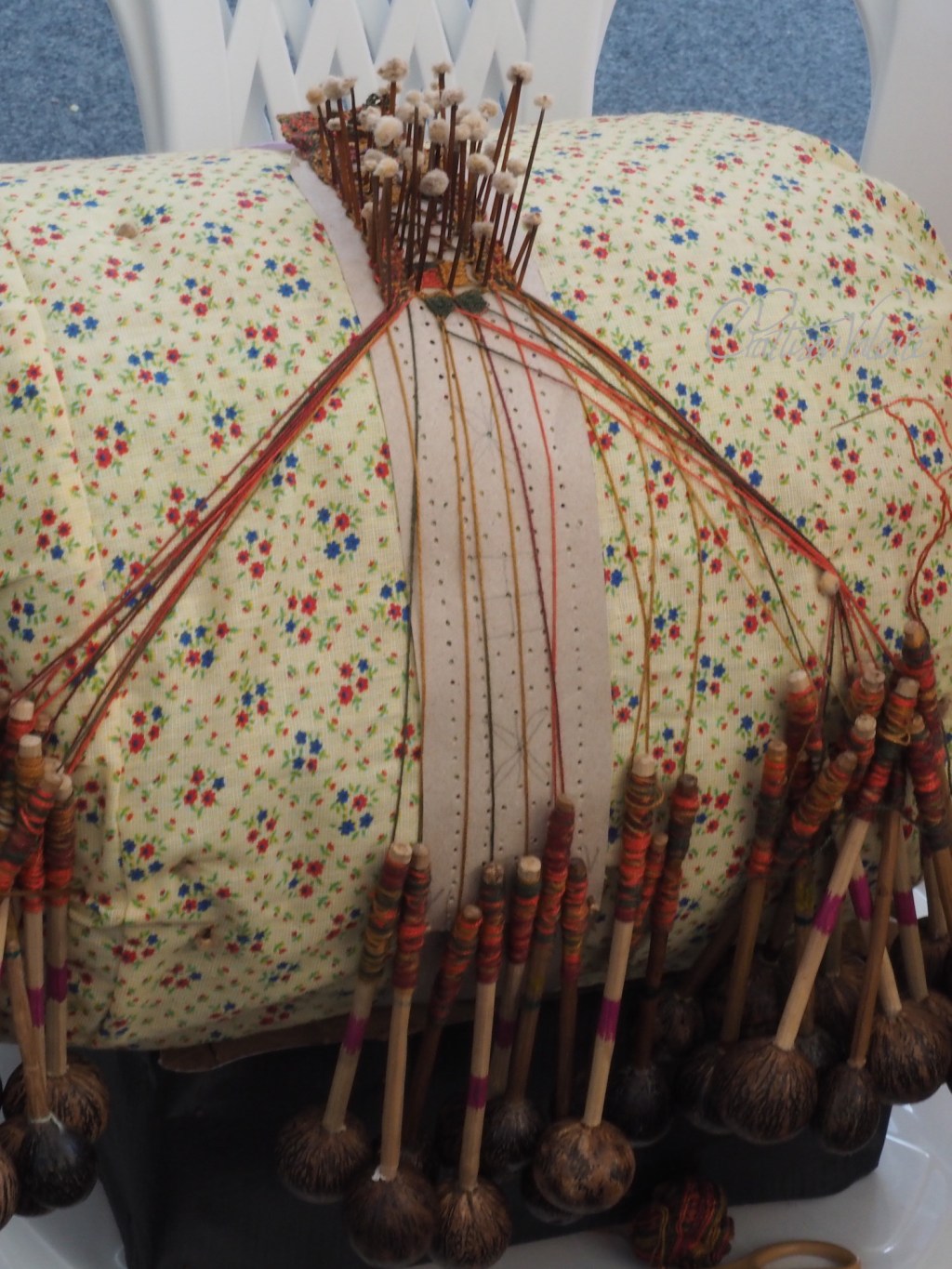
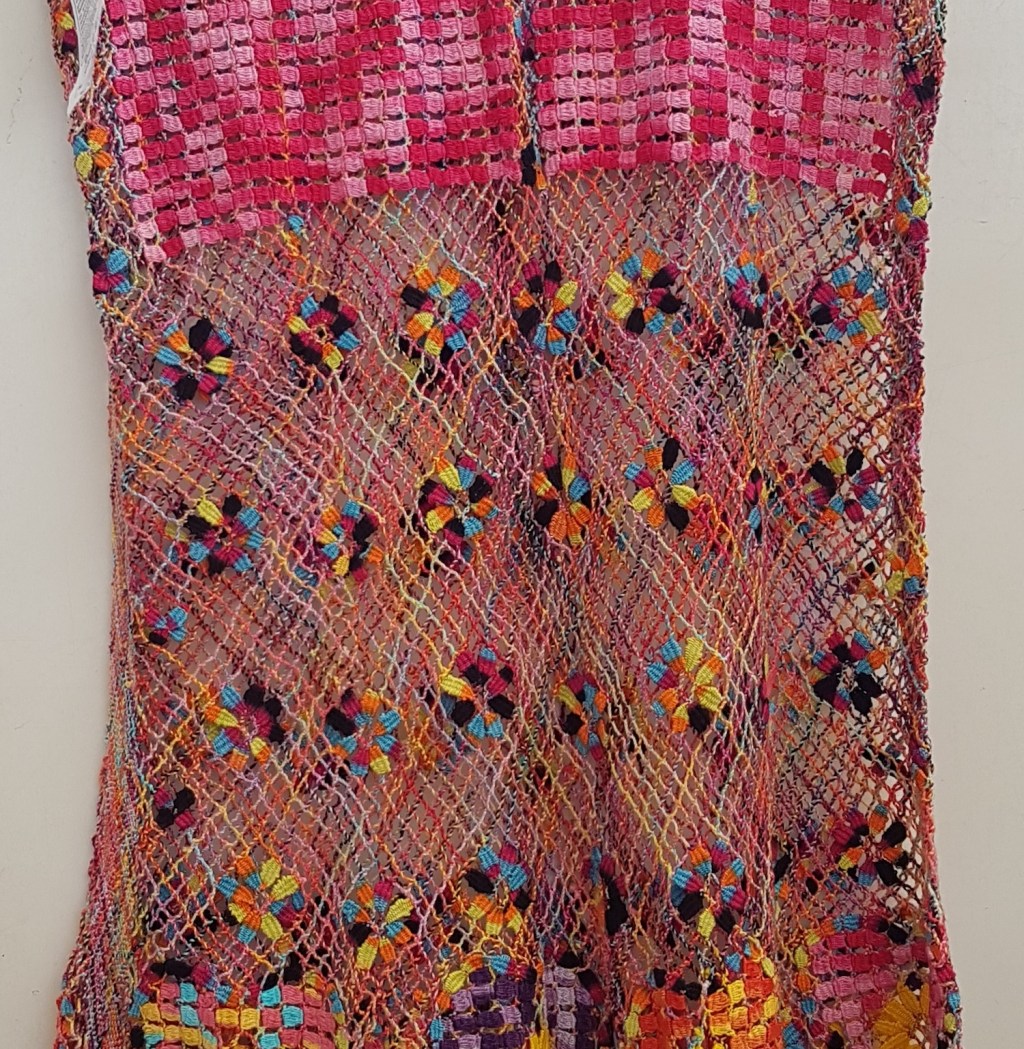
Donna Edite from Aracati, makes the beautiful Laberinto work. Now a grandmother, she started learning her craft aged six and a half. There are seven steps to Laberinto, each one is a skill in itself, from tracing the pattern, cutting and drawing out the original threads of the cloth, then the different stitches needed to form the desired design and finally the dressing of the finished piece. Donna Edite lamented the fact that young girls no longer wish to take up the craft but, it is hard to work for months on a piece that you then virtually have to give away.
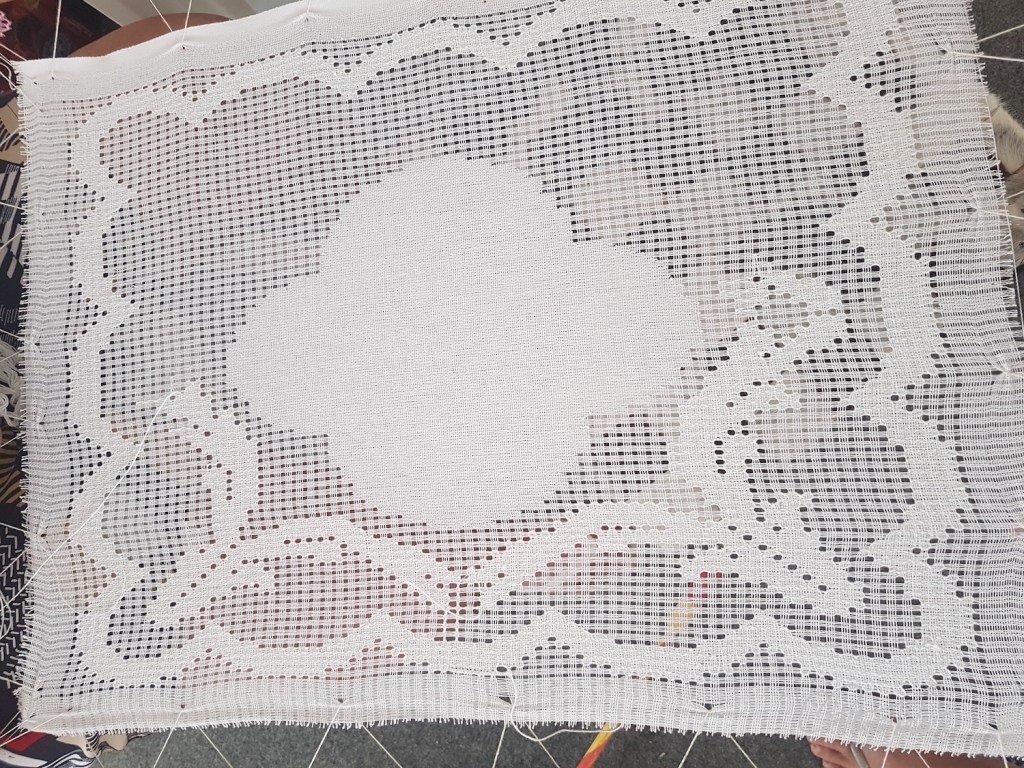
Laberinto work in progress. 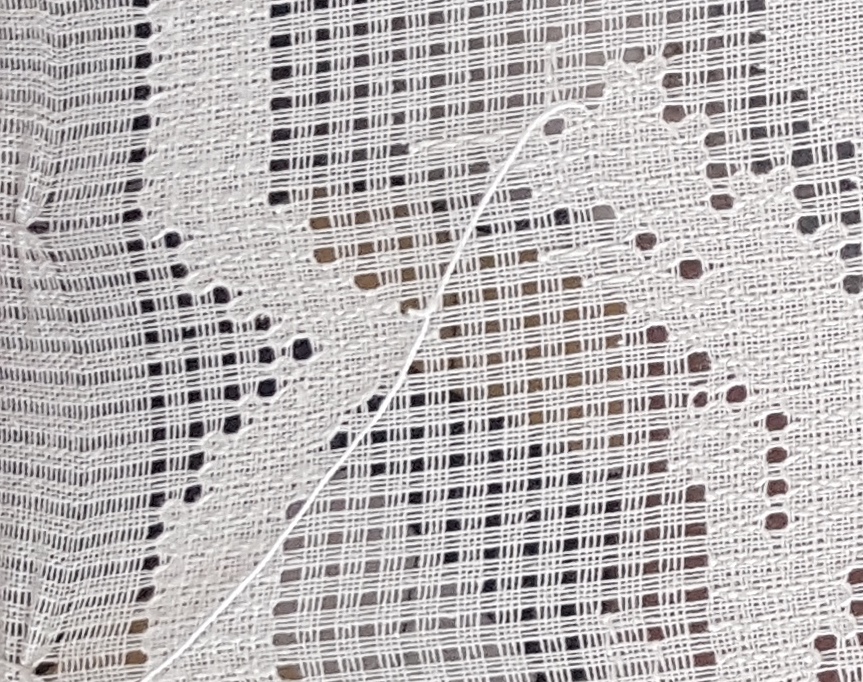
Close up of the filling in stitches.
During the five days of the event, there were daily workshops on a huge variety of crafts and skills, cooking, perfume making, herbal medicines, dancing, musical instrument making, jewellery and more. Lectures and discussions on a wide variety of topics; local histories, the fight for and defence of traditional territories, sustainability, community tourism, indigenous education to name a few. Day trips and excursions to different projects or experiences along the coast and conversations with community leaders about their lives and memories. There is always so much I’d like to do and nowhere near enough time.
I participated in a workshop on traditional techniques with clay run by Mestra Tarina. I have been buying pots and dishes from her since I moved to Brazil, a meal cooked in one of her pots just tastes somehow, better. I was especially pleased to see her, as she recently suffered and is now recovering from a stroke. One of the pots I made seemed to be going quite well, until I lifted it up and the base remained on the table, whoops! Obviously I’m not a natural potter and Mestra Tarina’s daughter had to rescue both my attempts but, it was good fun, we all laughed a lot.
The following day our workshop efforts in clay were placed alongside the far superior work of Mestra Terina and her daughter Raimunda, and fired in an oven in the woods. The following day I was able to collect and bring home a bowl and dish, albeit slightly wonky ones, made (partially) by my own hands.
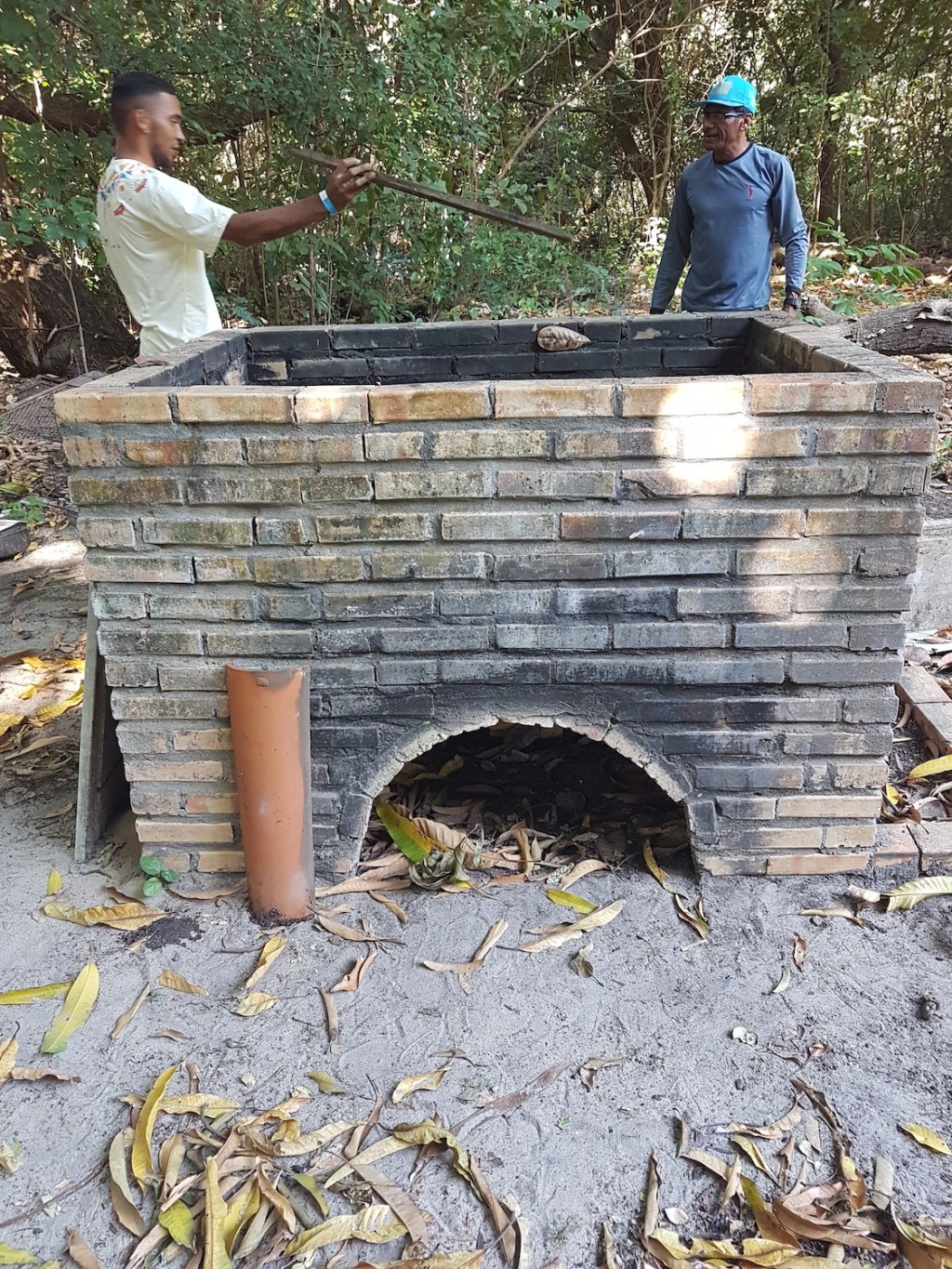
The kiln in the woods 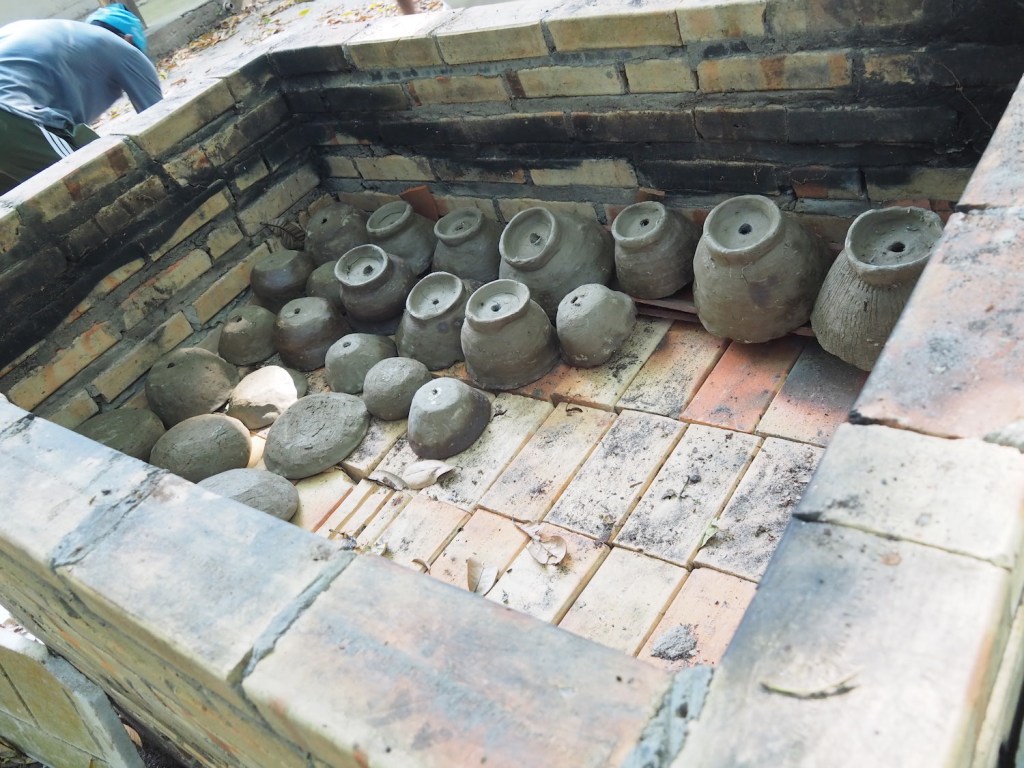
Filling the kiln 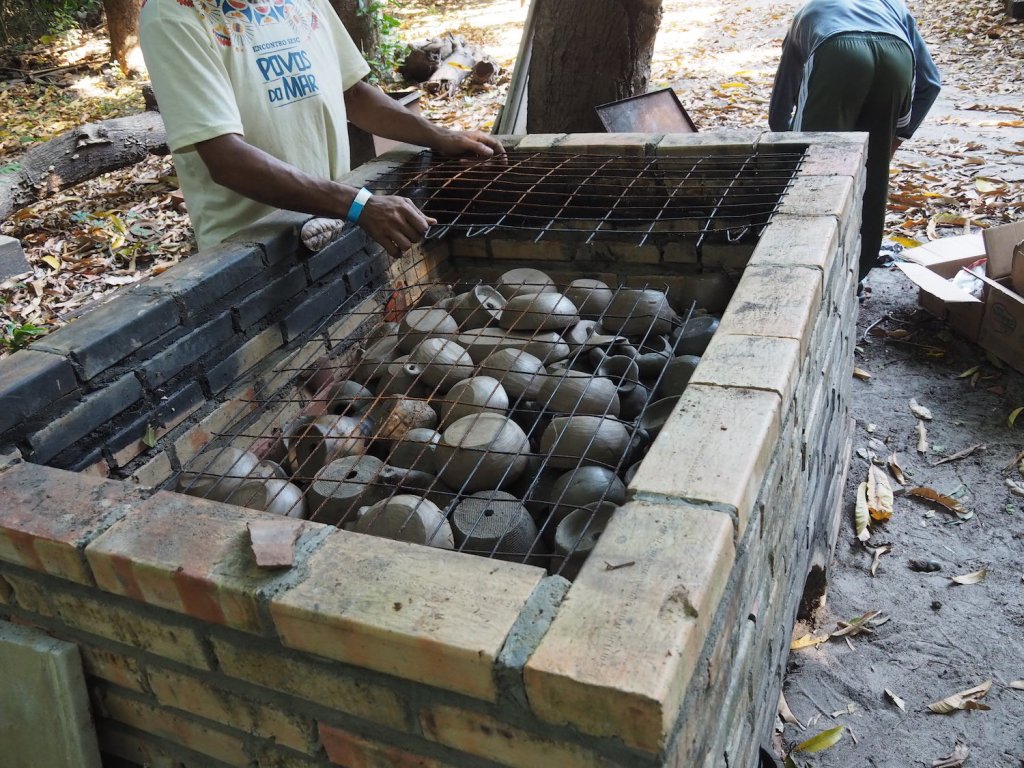
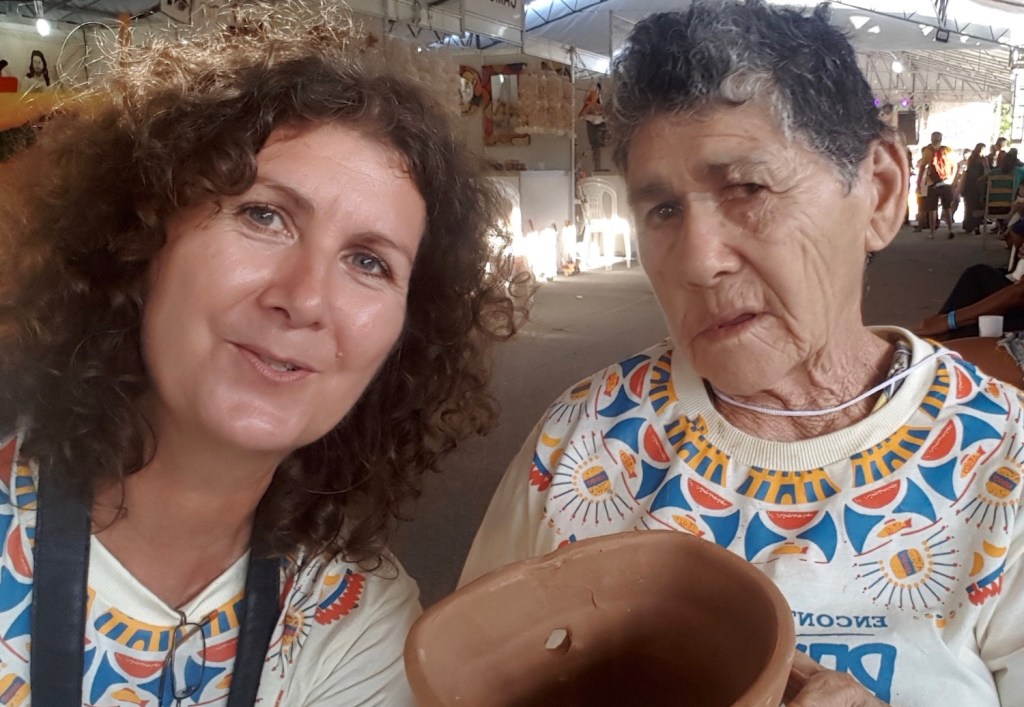
With Mestra Tarina 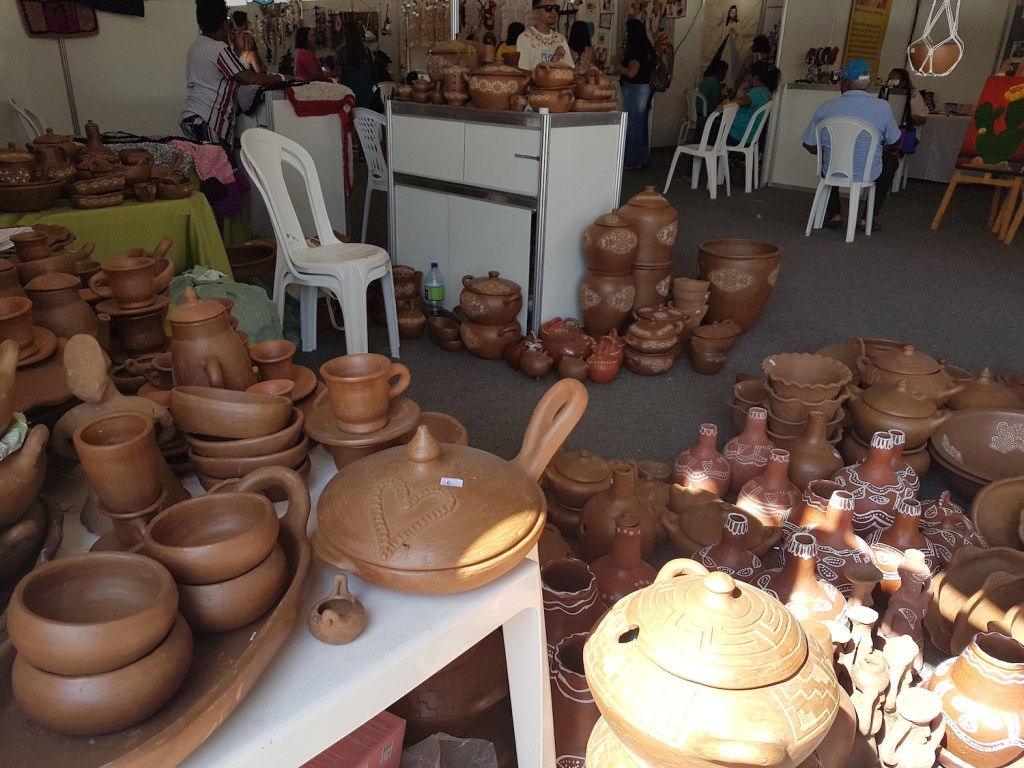
A selection of her wonderful work
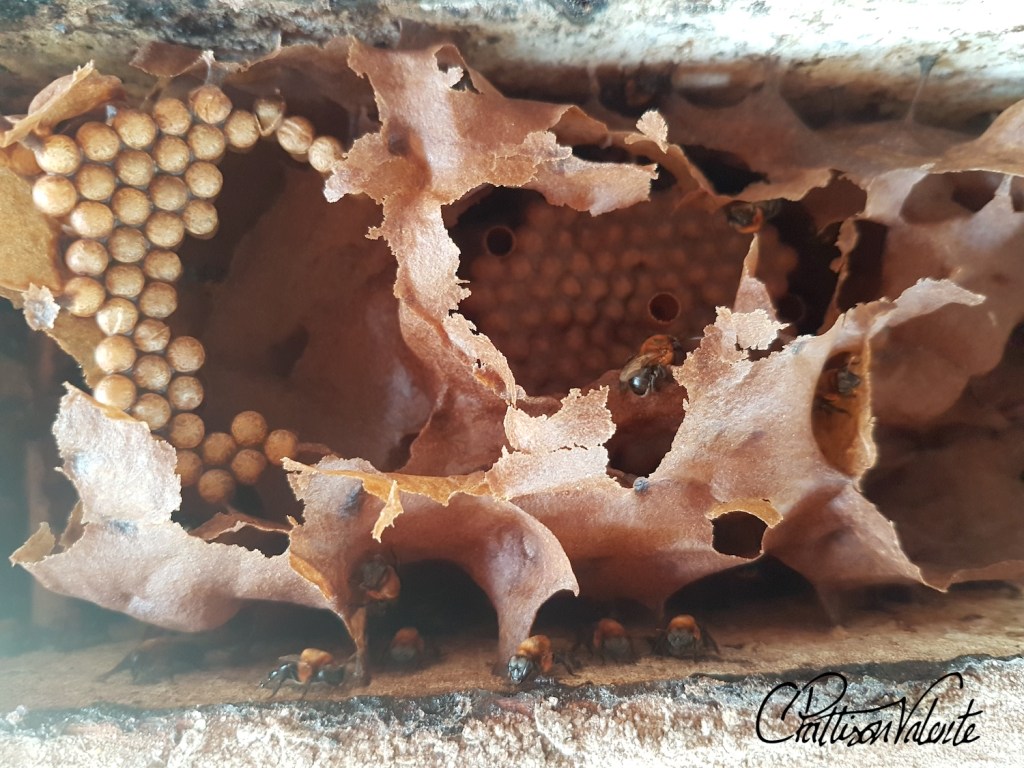
I also did a workshop on keeping Jandaira bees. We have two hives of these native stingless bees, they fascinate me and it was good to learn more about them. Hopefully, with my new knowledge, we will have an increase in our bee population and consequently, our honey production.
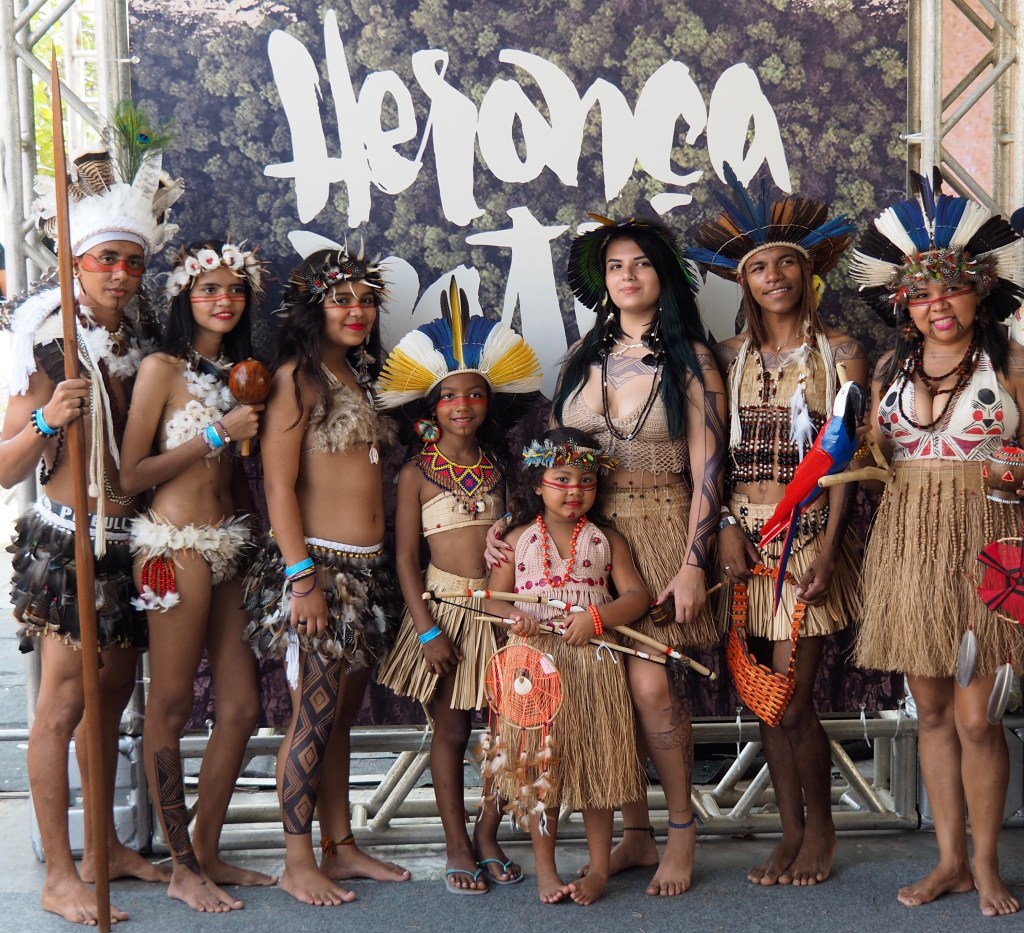
Amongst the constant stream of music and dance shows on stage were two fashion parades. The first was youngsters from different indigenous peoples, representing aspects of their cultures. The second was a sustainable fashion show (though I don’t think you can get more sustainable than the beautiful outfits in the first parade) in which the very lovely Marcicleide modelled my eco-print dress and knitted shawl, with accessories by other artisans from Prainha. All the participants in both parades were fantastic.
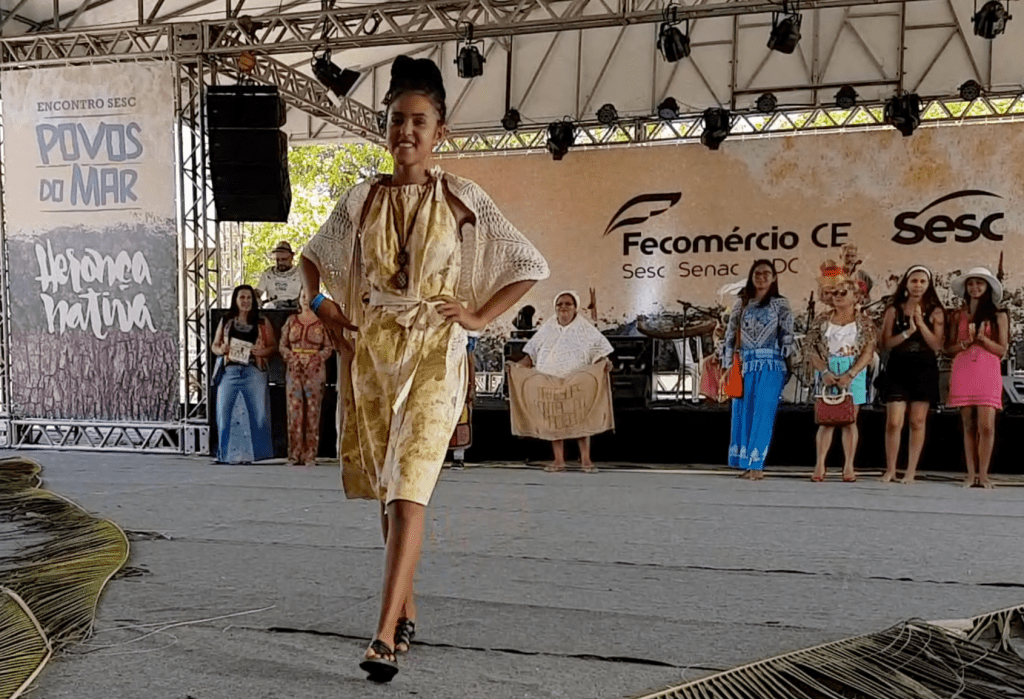
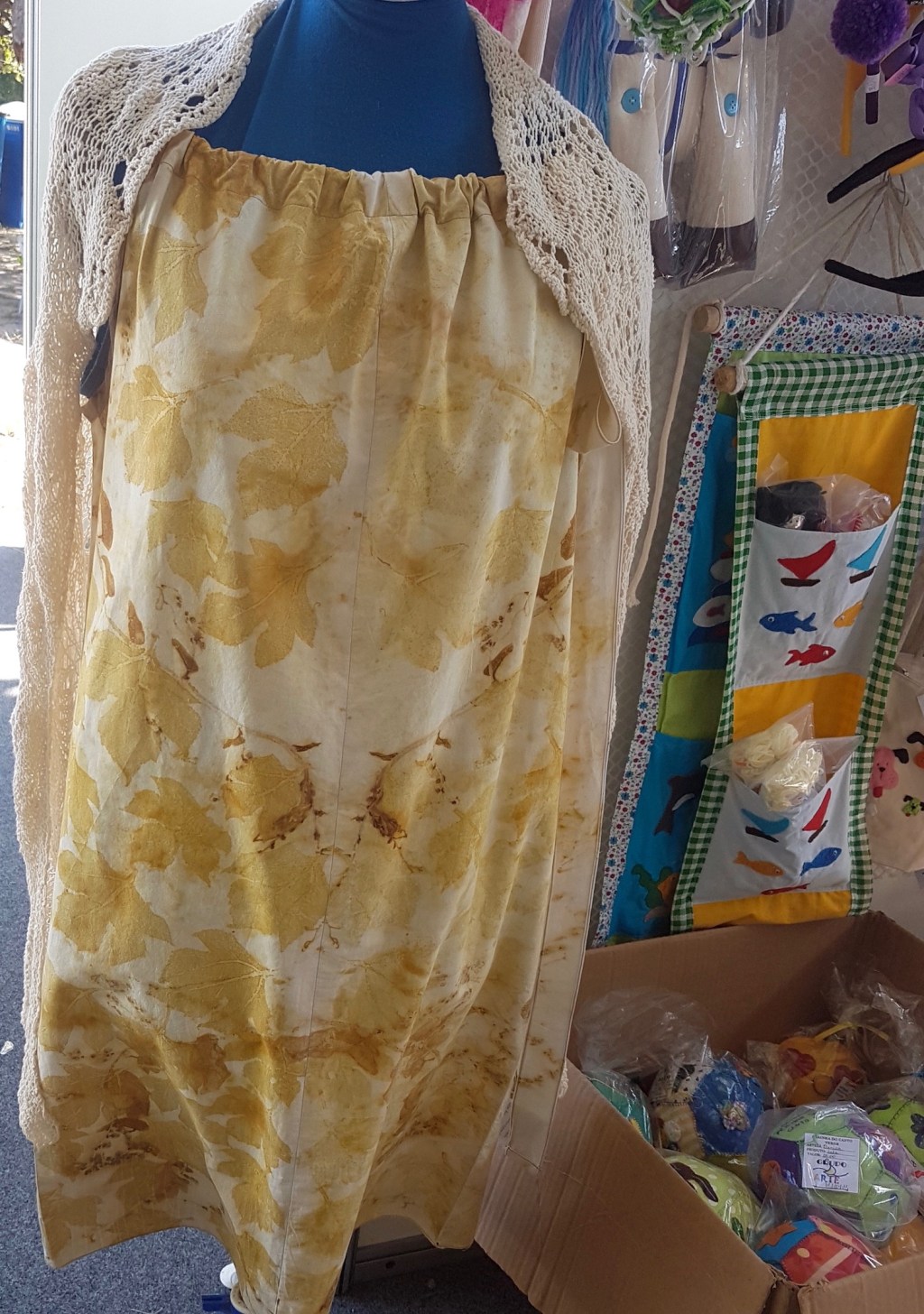
I had a lot of interest from people wanting to learn more about Eco printing and dyeing. It’s great to be able to share what I’ve learned. And, in talking to some of the people selling plants and herbal medicines, I now have names, and in some cases samples, of other plants, tree barks, roots and fruits to experiment with.
I’ve only touched the surface of the events over the five days of Povos do Mar, and following on from it was the five days of Herança Nativa (Native Inheritance) where more indigenous peoples come from further inland, as well as other groups who may or may not have been included in Povos do Mar. Next year will be the 10th anniversary of Povos do Mar, Paulo said he hopes to make it bigger and better than ever before, I can’t wait!
There are some more of my photos from the event on my Instagram
*Just a thought and not wanting to bite the hand and all that but, I do have to wonder at the use of the word “Ecological” in relation to the hotel. Yes there is some woodland which they maintain and yes SESC does do some environmental work but does that mean the hotel is ecological? By what standard is that claim made? Like I said, just a thought.
 The English Woman's Blog